 Editorial NexoScience
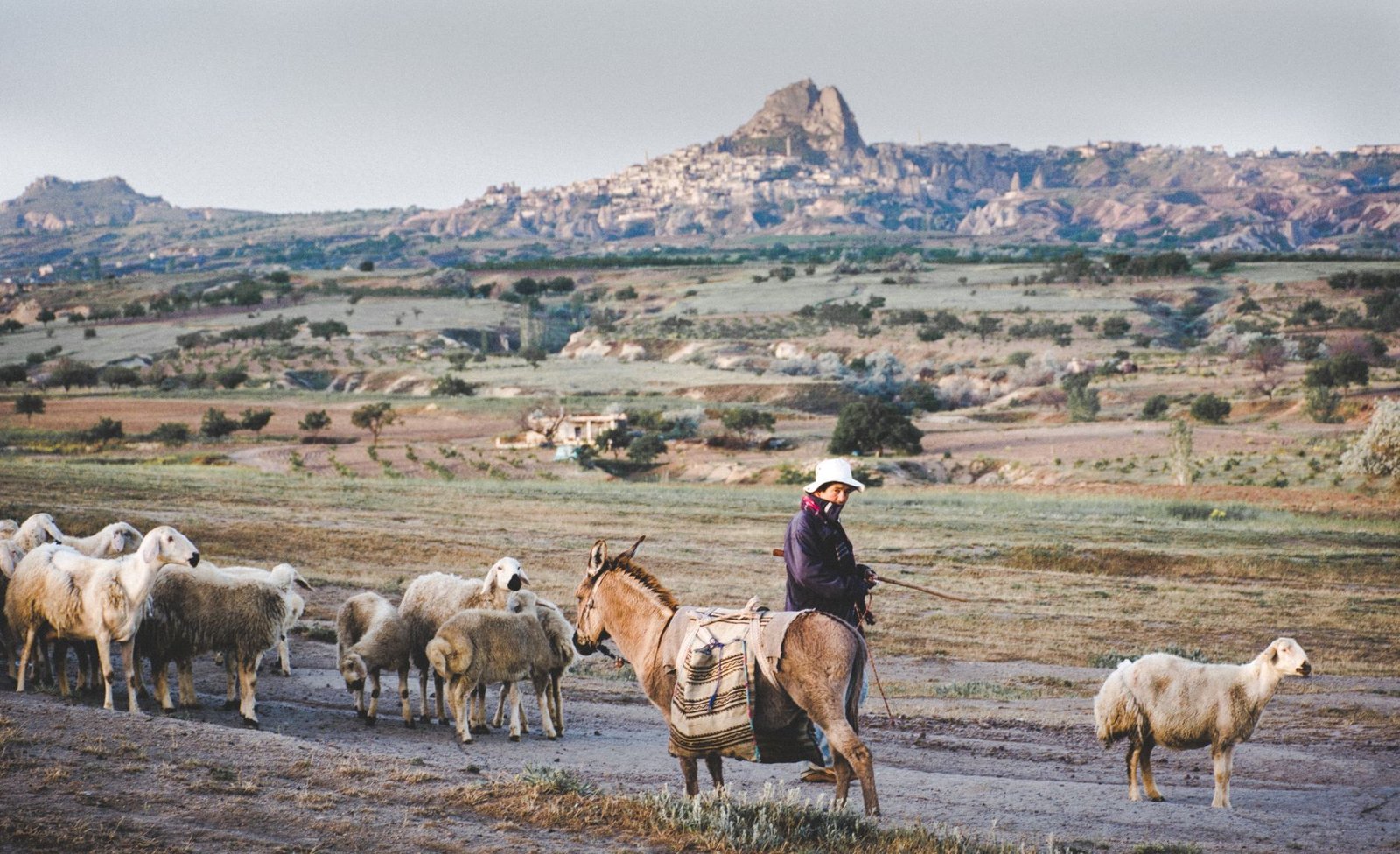
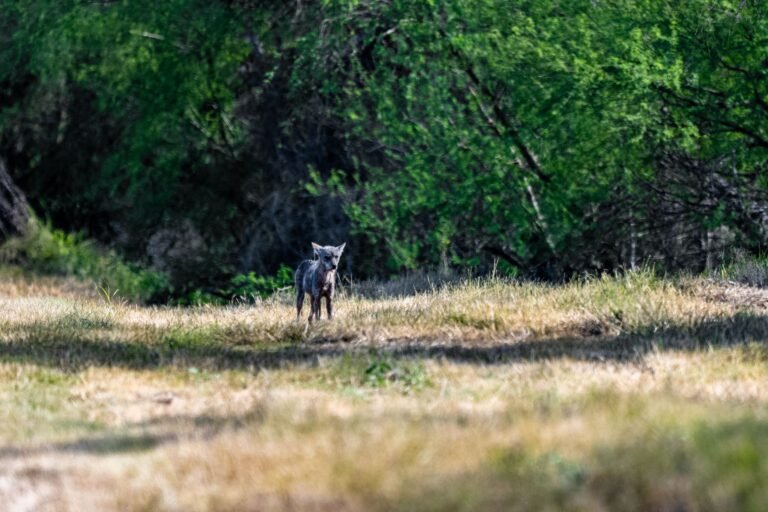
Three coyotes, a knot of sheep pressed into a fence corner, and one gelded donkey standing between them. That was the scene a Texas rancher described at a predator training session in Brownwood in January 1989. The donkey held its ground. The coyotes left without a kill.
So can a donkey guard sheep from coyotes? Sometimes, and it depends heavily on the donkey and on how it is used. In a statewide survey of Texas sheep and goat raisers, about four in ten of those who had tried a guard donkey rated it fair to excellent against coyotes. Roughly as many called it poor or a flat failure. Among a smaller group of seasoned users, at least 34 of their 58 donkeys earned a “good” or “fair.”
A cheap fix in coyote country. Those numbers come from Murray T. Walton and C. Andy Feild, predator management specialists at the Texas Department of Agriculture. They presented the work in September 1989 at the Fourth Eastern Wildlife Damage Control Conference. At the time, Texas led the nation with about 1.9 million sheep and 1.5 million Angora goats, most of them on the brushy limestone hills of the Edwards Plateau. Predators cost the state’s producers around $9 million a year, and coyotes (Canis latrans) did more than half of that damage.
How Texas ranchers used donkeys to guard sheep and goats
Poison went out, and animals came in. After toxicants for predator control were banned in the 1970s, ranchers looked for other tools. Guard dogs from Europe and Asia got most of the attention and most of the how-to booklets. Quietly, though, many Texas producers started putting donkeys (Equus asinus) and mules in with their flocks. The idea leans on two traits. Donkeys tend to stick with a herd, and some of them can’t stand dogs or coyotes.
Two surveys, two very different crowds. In June 1989 the authors mailed a four-page questionnaire to 19 ranchers already known to use guard donkeys, and 17 sent it back. A month later, the Texas Agricultural Statistics Service mailed a short postcard to 500 producers picked to represent all the state’s sheep and goat raisers. Of the 275 usable replies, 60 had used a guard donkey at some point, and 45 still had one. The team also talked with ranchers and watched about a dozen donkeys at work.
What the donkeys actually did. Only two ranchers in the first survey had seen a donkey go after an intruder with their own eyes. One wrote that the donkey would “run on back feet, paw w/ front & bray loudly.” The more common pattern was quieter. A gelding kept in a small pasture with 15 sheep and a horse was checked about three times a week for six months. It was always with the sheep, and only five times was it seen grazing closer to the horse than to a sheep. When someone walked up, the sheep moved behind the donkey, a habit the authors saw in sheep and goats over and over.
The record has holes. One rancher watched a coyote get past a donkey that was clearly trying to fight it off. Another said donkeys had been useless against feral hogs. A third wrote that his donkeys “killed more goats than predators.” Honestly, the paper is a first look, not a trial. Every rating came from the ranchers themselves, and nobody counted losses before and after a donkey arrived, so the study can’t show that donkeys caused any drop in predation. The two surveys were also built differently, which the authors noted rules out a direct comparison between them.
Guard donkey vs guard dog: cost, lifespan and poison collars
The price tag did the selling. Ranchers paid an average of $144 for a donkey, with prices from $65 to $250, and spent about $66 a year on upkeep. One said worming was the only expense. Guard dogs reported in earlier surveys cost two to three times as much to buy and keep. With a first-year bill of about $210, the authors figured a donkey breaks even if it saves as few as four sheep or goats.
Donkeys also tend to last. In the first survey, 52 of 58 donkeys were still working after an average of three years. One rancher had used nine donkeys over eight years and still had eight. Dogs had a rougher record. At the U.S. Sheep Experiment Station, more than 30% of guard dogs were culled or dead within three years of birth. The authors expected a guard donkey to work for 10 to 15 years, although feral burros in California’s Mojave Desert rarely live that long. Those burros get no feed or vet care at all, and feral equids have stories of their own, like the wild horses of Theodore Roosevelt National Park. A Texas ranch donkey usually has an easier life.
Safe around the traps. Here’s the thing that set donkeys apart. They can share a pasture with snares, steel traps, M-44 cyanide devices and Livestock Protection Collars, rubber collars filled with a poison called Compound 1080 that kill a coyote when it bites through the collar on a sheep’s or goat’s neck. Those last two are deadly to dogs, and guard dogs like to lick the animals they protect. One collar user reported that a coyote kept raiding goats in the pasture next to his guard donkey and switched pastures whenever the donkey moved. By keeping the donkey with the main herd and leaving eight collared kids unguarded nearby, he recorded five collar punctures in less than a month and found two poisoned coyotes.
Dogs still scored higher. Guard dogs got better effectiveness ratings in other user surveys, the authors wrote. Several dogs can work one pasture together, and some dog owners needed no other predator control at all. A donkey works best as one tool in a kit.
Jenny, gelding or jack: choosing a guard donkey
The female usually gets the job. At least 34 of the 58 donkeys in the first survey were jennies, the name for female donkeys, and 29 of those were rated good or fair. Only a few jacks, the intact males, were in use, and two of the three ranchers using them reported poor results. One goat raiser insisted on buying a jack, then came back for a jenny after the jack killed several billy goats.
The authors’ checklist is short and practical. In addition to routine vet care, worming and extra feed when needed, they recommended:
- Medium or large donkeys, never miniatures, and only animals you can sell if they fail.
- Jennies or geldings, not jacks.
- A test before the job: put the donkey in a small pen with a dog and watch how it reacts.
- One donkey per pasture (a jenny with her foal is fine), kept away from horses, mules and other donkeys.
- A donkey raised with sheep or goats from birth, or placed with them at weaning, and kept away from dogs.
- A close eye at lambing and kidding, since some jennies get rough with newborns.
- No feed with Rumensin, urea or other additives made only for ruminants such as cattle, sheep and goats.
One donkey beats a crowd of them. Let me explain. A donkey with company tends to hang out with its own kind instead of the flock. Ranchers in the survey said the same thing in plain terms: don’t put a guard donkey next to a pasture with horses or other donkeys.
How many sheep one donkey can protect
Big, brushy pastures beat the donkey. The average donkey in the first survey watched over 213 sheep or goats, and one was stuck with 1,200. The authors saw donkeys expected to guard more than 1,000 scattered head across pastures larger than 1,280 acres (518 hectares). They called that an impossible task. It’s like asking one lifeguard to watch a whole coastline. Their advice was a small, open pasture under 600 acres (243 hectares) with no more than about 200 head. Rough ground, dense brush and scattered animals all make the job harder, which is awkward in the thick cover of the Edwards Plateau.
A practice that spread on its own. From the postcard survey, the authors estimated that about 1,800 of Texas’s roughly 11,000 sheep and goat raisers were using guard donkeys, with a cautious low estimate of 1,000. Because getting started can mean little more than buying a cheap animal and turning it loose, they suspected donkey users already outnumbered guard dog users in the U.S. and Canada. A 2004 review in the Sheep & Goat Research Journal later put donkeys with about 9% of U.S. sheep producers in 1999, and it noted that some donkeys are afraid of bears and mountain lions.
The weak link was knowledge, not the donkey. The seasoned ranchers in the first survey got far better results than the statewide sample, and most of them used donkeys alongside other methods. To the authors, that pointed to poor husbandry and unrealistic hopes behind many failures. One rancher called donkeys a “total failure” simply because coyotes were shot in a pasture where one lived. The next step they pointed to was teaching ranchers how guard donkeys really work, and learning more about the behavior that makes some of them so good at it.
The study at a glance
- Journal: Proceedings of the Fourth Eastern Wildlife Damage Control Conference, September 1989
- Type of study: Two mail surveys of Texas sheep and goat raisers, plus interviews and field observations
- Sample: 17 experienced guard donkey users and 275 producers from a statewide sample of 500
- Main finding: Guard donkeys were common and cheap in Texas, but their success against coyotes varied widely: about 40% of the statewide users rated them fair to excellent.
- Limits: Ratings were reported by ranchers, losses were not measured, and the two surveys cannot be compared directly.
Source: Walton, M. T., & Feild, C. A. (1989). “Use of donkeys to guard sheep and goats in Texas.” Proceedings of the Fourth Eastern Wildlife Damage Control Conference, pp. 87-94. Eastern Wildlife Damage Control Conferences, published by DigitalCommons@University of Nebraska-Lincoln.