 Editorial NexoScience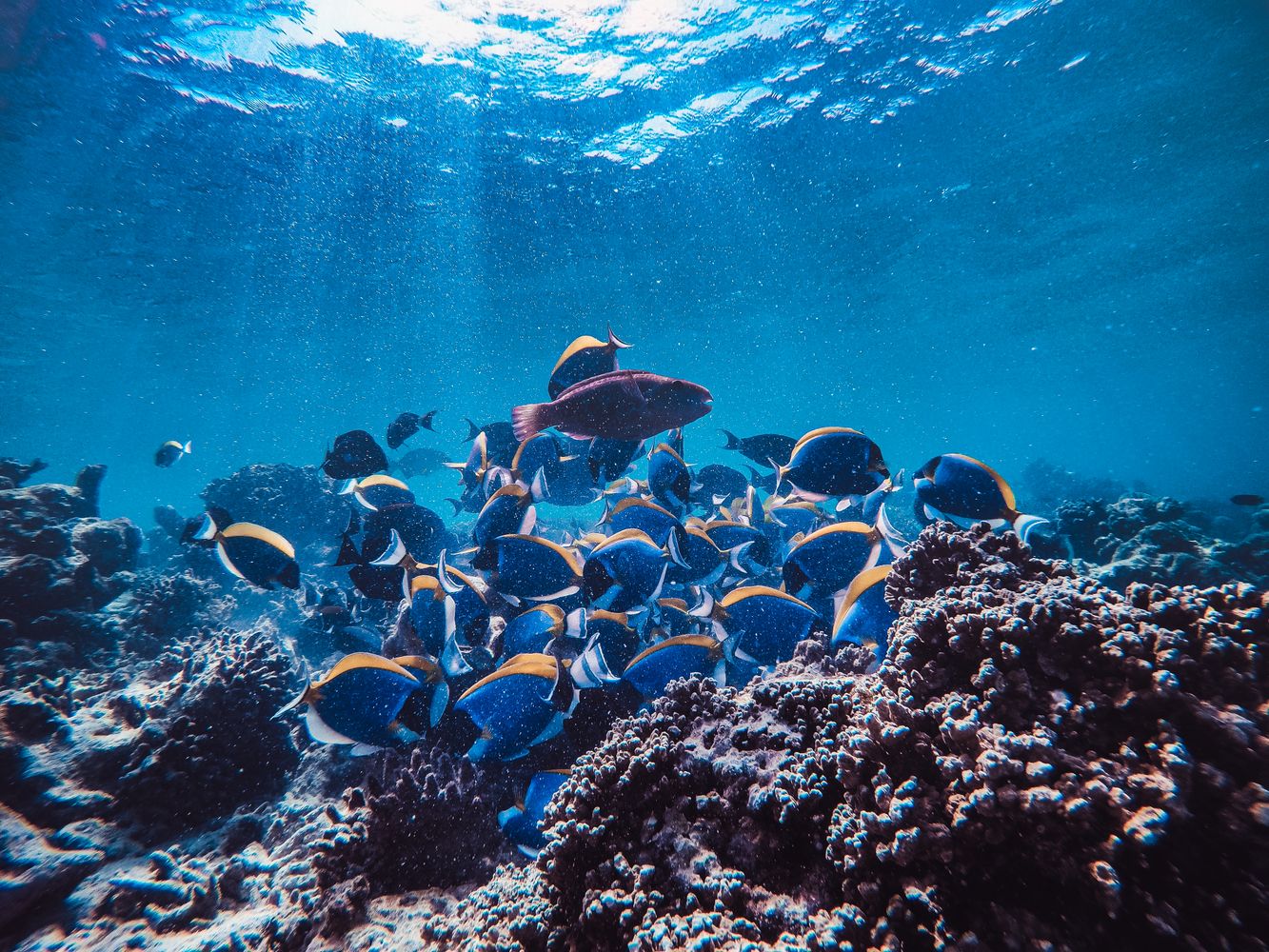
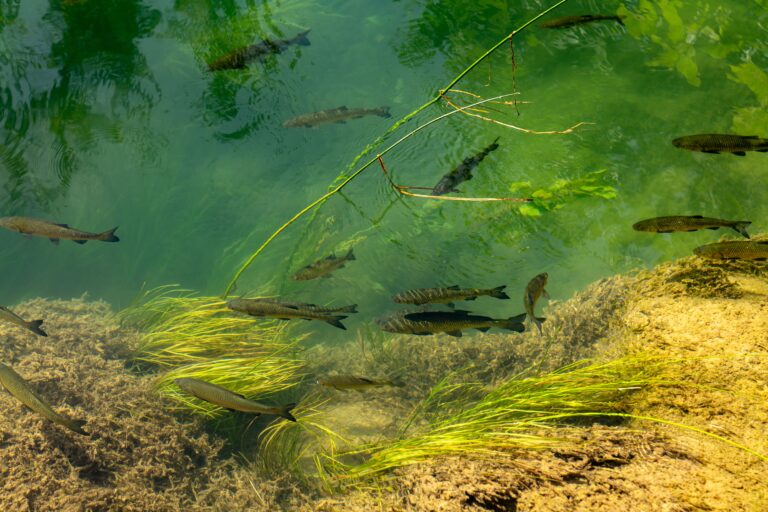
A fish swimming through water that is a little warmer and a touch more acidic can look completely normal from the outside. Its size, its survival, its ability to reproduce, none of that sets off obvious alarms when scientists average the numbers across many animals. A large analysis of the scientific literature on ocean warming and acidification suggests that appearance of normalcy has been hiding real damage.
The usual way of measuring the damage may be hiding half the problem. Researchers combined 217 studies and 3,162 comparisons between animals exposed to warmer, more acidic water and animals kept under normal conditions, covering fish and invertebrates such as mollusks and crustaceans. They grouped the results into ten categories of biological response: growth, survival, reproduction, development, metabolism, behavior, physiology, biomechanics, calcification, and, for invertebrate communities, biodiversity. The standard way to study this is to average the change in each metric across many experiments and check whether animals, as a group, consistently improve or decline. That works fine when every species reacts the same way. It breaks down when they do not.
When some animals improve and others get worse, the average says nothing happened at all. If warmer water makes some fish grow faster and others grow slower, the two effects can cancel each other out in the average, making it look as though growth was not affected at all. To close that gap, the authors also measured how far each response strays from its normal baseline, in either direction, instead of only checking whether the overall trend goes up or down. Using this second method, they detected significant disruption in up to eight times more biological responses than the traditional approach captured, especially in categories like behavior and physiology, where a change in either direction, calmer or more anxious, faster or slower metabolism, can still threaten an animal’s chances of survival.
The damage already shows up in the climate scenario considered moderate. Under a moderate warming and acidification scenario (RCP 6, roughly consistent with stabilizing global emissions), invertebrates showed zero significant average effects using the traditional method. Yet the same data revealed real, measurable deviations once researchers looked past the average. Under a high emissions scenario (RCP 8.5), the damage becomes unambiguous: acidification cut survival, reproduction, growth, development, calcification, and biomechanics in invertebrates, while warming raised their metabolism, an energetic cost that leaves less room for everything else. Fish fared comparatively better, thanks to their bony skeletons and their ability to regulate their internal chemistry, but acidification still slowed their growth, and both fish and invertebrates showed disrupted behavior and physiology once the more sensitive method was applied.
The problem does not stay confined to lab animals. Because disrupted behavior, physiology, and development can ripple into how species feed, reproduce, and interact with each other, the authors argue that the real ecological toll of ocean warming and acidification has likely been underestimated by decades of research that relied only on the traditional averaging method, not overestimated.
The important nuance: this comes from controlled experiments, not direct observation of the open ocean. Most of the data comes from controlled experiments exposing animals to specific temperature and CO2 levels for set periods of time, not from tracking wild populations in the ocean itself, so turning these lab-measured deviations into a precise forecast for real ecosystems still requires more field research, something the authors acknowledge directly. Still, the same pattern showed up across 217 independent studies and two very different climate stressors, warming and acidification, which is hard to dismiss as a lab artifact.
Source: Alter, K., Jacquemont, J., Claudet, J. et al. “Hidden impacts of ocean warming and acidification on biological responses of marine animals revealed through meta-analysis.” Nature Communications 15, 2885 (2024). DOI: 10.1038/s41467-024-47064-3