 Editorial NexoScience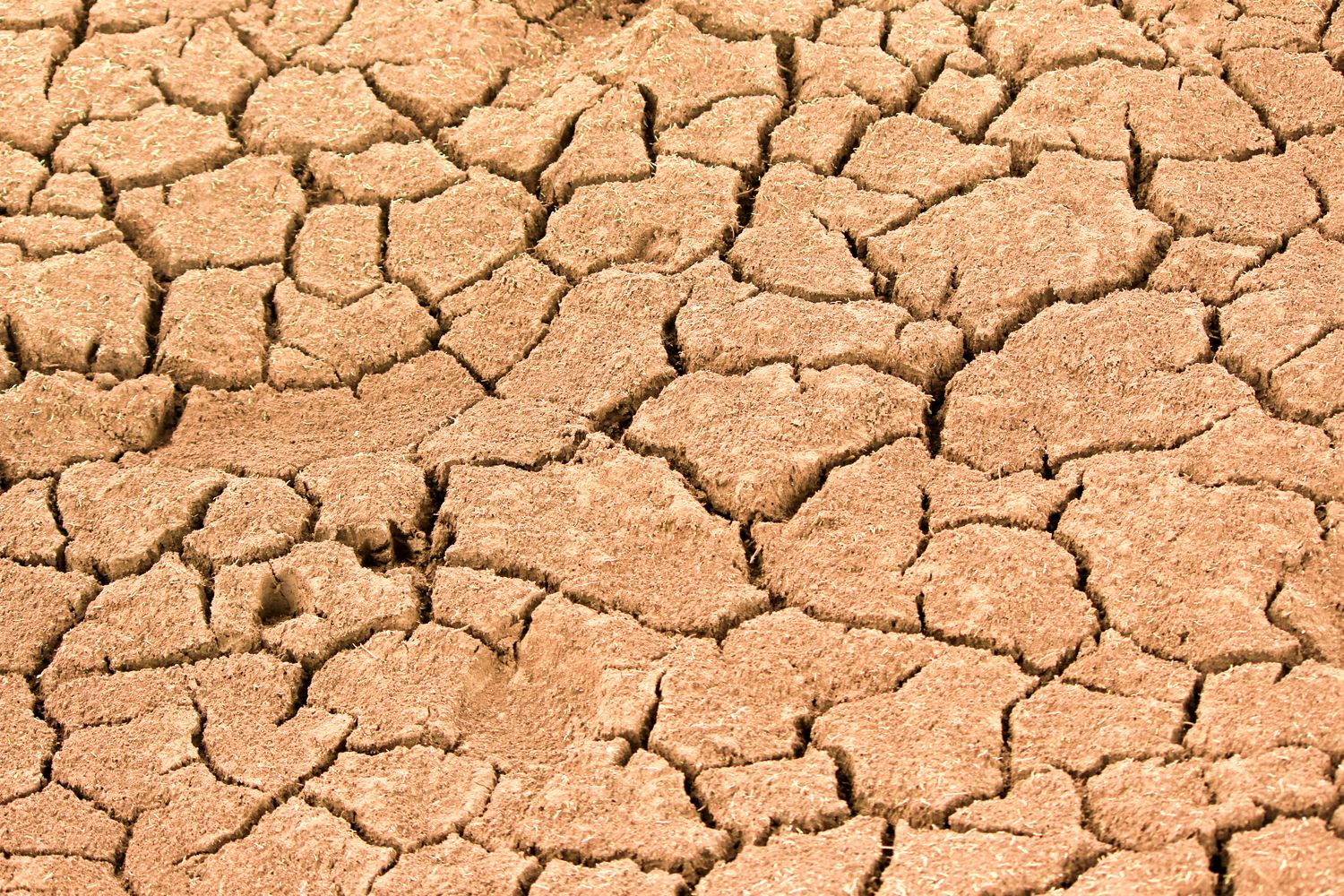
Cracked riverbeds. Empty reservoirs. Wheat fields turning brown years ahead of harvest. That is what an increasingly thirsty atmosphere looks like on the ground, and a new global analysis shows the picture is deteriorating faster than most people realize.
An international team led by researchers at the University of Oxford and Southampton built four independent high-resolution drought datasets covering the entire planet from 1901 to 2022, published in Nature. Rather than relying on rainfall alone, the study isolates a factor most drought coverage ignores: atmospheric evaporative demand, essentially how hard the air is pulling moisture out of soil, rivers and plants as it warms.
That thirst factor is doing far more damage than expected. Across the 1981 to 2022 period, the researchers found that increased evaporative demand alone accounts for 40% of the global drying trend, with rainfall shortfalls responsible for the remaining 60%. In Africa that share rises to 44%, and in Australia to 51%, meaning roughly half of the drought intensification in those regions has nothing to do with a lack of rain and everything to do with hotter air simply demanding more water than the land has to give.
The last five years mark a sharp break from everything before them. Between 2018 and 2022, the share of global land in drought averaged 27%, a 74% jump compared with the 1981 to 2017 baseline. The researchers attribute 58% of that recent surge specifically to rising evaporative demand rather than to any change in rainfall patterns. Regionally the swings are even starker: drought-affected land expanded 163% across southern South America, 141% in the western United States and 119% in Australia over that same five-year stretch.
2022 broke every record in the dataset. That year, 30% of the world’s land surface experienced moderate to extreme drought, the highest share in the entire 122-year record, and the study attributes 42% of that spike to evaporative demand. Europe was hit hardest: 82% of the continent’s land was in drought, half of it moderate to severe, as rainfall fell up to 35% below average while evaporative demand climbed as much as 40% above it.
What makes the trend unsettling is where it is showing up. The analysis finds that it is not only the world’s already-dry regions, like the Mediterranean, the western United States or southern Africa, that are drying further. Traditionally wet areas are starting to show the same drying signal, something the authors say would not happen from rainfall changes alone and points squarely at the warming atmosphere itself as the driver.
The link to human-caused warming is strong, though the authors are careful about how far they push it. Evaporative demand rises predictably with temperature, and the study’s own comparisons, testing what drought trends would look like if evaporative demand had stayed at its historical average, show that holding it constant would have left global drought conditions roughly flat or even improving. The researchers stop short of formally attributing every regional event to climate change, noting that a full attribution analysis exists only for the 2022 European drought so far, but they conclude it is reasonable to view the global acceleration as a consequence of anthropogenic warming, one likely to continue as the planet keeps heating up.
Source: Gebrechorkos, S.H., Sheffield, J., Vicente-Serrano, S.M. et al. “Warming accelerates global drought severity.” Nature, 2025. DOI: 10.1038/s41586-025-09047-2.