 Editorial NexoScience
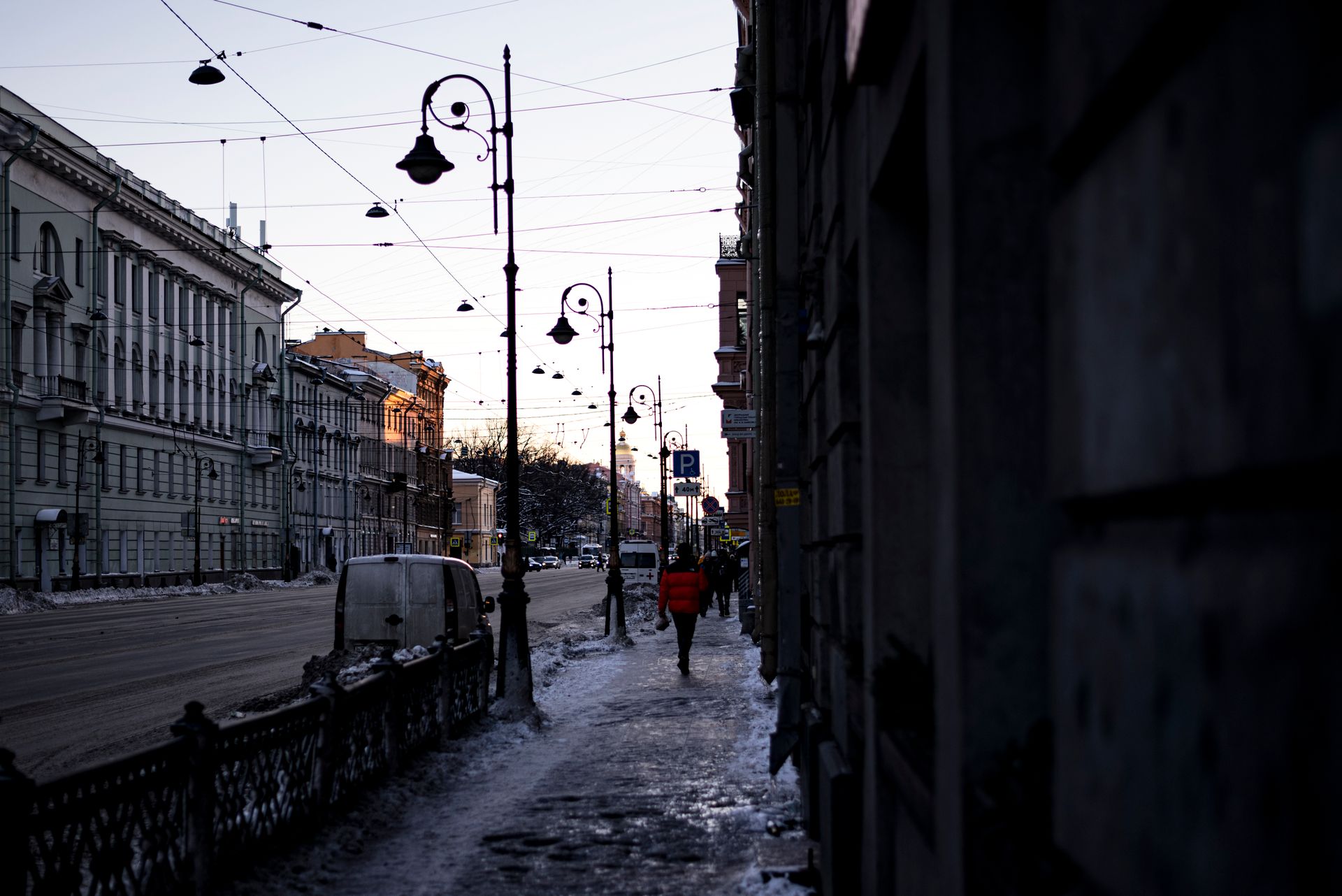
Picture a weekday in early January in Vancouver. Your alarm goes off, you make coffee, you walk the kids to the bus stop, and the sky is still black. Under the clock British Columbia adopted in March 2026, that isn’t one bad morning. It’s the whole winter. On New Year’s Day the sun wouldn’t rise until about 9:08, an hour later than the 8:08 sunrise standard time would give.
So is permanent standard time healthier? Four researchers in Canada weighed the evidence in an analysis published in October 2026 in the Canadian Medical Association Journal (CMAJ), and their answer is yes. If the clocks stop changing, they argue, standard time all year is the better pick for health, because it keeps the morning light that sets your body clock. Permanent daylight saving time buys brighter evenings. It pays for them with darker winter mornings, worse sleep and more strain on mood.
The debate has stopped being theoretical. Yukon moved to permanent daylight saving time in 2020. British Columbia followed in March 2026, and Alberta and the Northwest Territories did the same a month later. In July 2026, the US House of Representatives passed a bill to make daylight saving time permanent across the country, and it now sits before the Senate. The authors, led by Raymond Lam, don’t spend much time on whether to end the twice-yearly switch. Most recent reviews already say the spring “leap forward” causes harm, from lost sleep to a short bump in injuries. Their question is what comes after it. Every major sleep and chronobiology society, they note, has called for permanent standard time.
Permanent standard time vs permanent daylight saving time
The name is a little misleading. “Daylight saving time” doesn’t save any daylight, the authors point out. It just moves it an hour later on the clock. Under permanent daylight saving time, dusk comes later all year, which helps evening commutes, sports and shopping. Dawn also comes later, and in winter that leaves many people waking up and heading to school or work in the dark. Standard time flips the deal. In Toronto, the latest winter sunrise would be 7:51 instead of 8:51. The price is an earlier dusk, with the shortest days going dark around 4:41 in the afternoon.
Geography scrambles the labels. In theory, a time zone should put the sun at its highest point close to noon. In practice, Canada’s zones follow borders, trade and transport. The Eastern Time Zone stretches so far across Ontario and Quebec that towns at its two edges get very different mornings. Saskatchewan has been on what’s officially called Central Standard Time since 1966, yet much of the province sits closer to Mountain Time, so in solar terms it already lives on something like daylight time. Latitude matters too. Near the poles and near the equator, a one-hour shift barely changes daily life. The middle latitudes, where most Canadians live, feel it most. That’s why Yukon’s experience may not tell people in Toronto much.
How daylight saving time affects health and mood
Your inner clock runs a bit slow. The master clock in the brain, in a region called the hypothalamus, takes about 24.2 hours to finish a cycle. Think of a watch that loses a few minutes every day. It needs a nudge each morning to stay on time, and daylight does the nudging. Morning light pushes the clock earlier. Evening light pushes it later. So a body that gets its light late in the day keeps sliding behind the clock on the wall.
Modern life already tilts the scale. Most of us spend the day indoors, then sit under lamps and screens at night. The result is what researchers call “social jet lag,” a mismatch between the time your body wants to wake and the time school or work demands. Observational studies have tied it to short sleep, poorer mental health, metabolic risk and trouble thinking clearly. Here’s the thing: permanent daylight saving time makes it worse in winter from both ends, with darker mornings and longer bright evenings. Sleep researchers have been building the case for years, including work on what REM sleep reveals about disease risk.
Winter depression is the sharpest worry. Seasonal affective disorder, a depression that returns each winter, affects an estimated 1% to 3% of people in Canada, and up to 15% get a milder version with low energy, extra sleep and bigger appetite. The leading explanation is a body clock that drifts late. The standard treatment is bright light early in the morning, which pulls the clock back. Permanent daylight saving time does the opposite. It takes morning light away right when vulnerable people need it.
Maps point the same way. Seasonal depression gets more common farther north, where winter sunrise comes later. People on the western edge of a time zone, where the sun rises later by the clock, also show higher rates than those on the eastern edge. In US county data, western parts of time zones averaged up to two more suicide deaths per 100,000 people a year than eastern parts. These “western edge effects,” the authors write, roughly mimic what permanent daylight saving time would do. A 2025 modeling study they cite found that both permanent options beat switching twice a year, but the health gains from daylight time were about a third smaller than those from standard time.
Sleep, pay and grades track the sunset. One US study found that each hour of later sunset cuts weekly sleep by nearly an hour and long-run earnings by about 5%, with similar results in Germany. In Florida, teens at schools along a time-zone border who got an extra hour of sunlight before class scored higher in math and reading, a gain the authors compare to a meaningful cut in class size. The evening side has real perks too. Later dusk likely helps outdoor play, social life and some shops, and the fall switch to standard time comes with a dip in retail spending. The old promise of energy savings, though, looks thin.
Who would feel dark winter mornings most
Flexible schedules soak up the benefits. People who choose their own hours and have a park nearby get the most from long evenings. Those with early shifts, rigid jobs, school runs or caregiving get the dark mornings. So do pedestrians, cyclists and anyone waiting for a bus. The authors note that these groups skew toward lower-income and minority households, and that rural areas with weak street lighting add risk.
Night owls and teenagers take a double hit. People with an evening chronotype, the “owls” who naturally sleep and wake late, already fight their schedules in winter. Teenagers are wired the same way during puberty, while school still starts early. For them, the authors write, permanent daylight saving time would deepen social jet lag, which is linked to sleepiness, depression and weaker school performance. People with insomnia or sleep apnea could feel it more as well.
What countries learned from year-round daylight time
The US already ran this experiment. In 1974, during the oil crisis, the country went to permanent daylight saving time with strong public support. It dropped the policy within the year, after complaints about dark winter mornings, children walking to school before sunrise and savings that barely showed up. The recent debate in Congress, the authors wrote, “appears to have given scant attention to this history.”
Others turned back too. Russia switched in 2011 and reversed course in 2014, after anger grew in the north, where winter mornings stayed dark longest. Chile tried it in 2015 and backed out over school attendance and farm problems, though the far southern Magallanes region kept it. Most of Mexico, plus Japan and South Korea, stay on standard time.
The evidence has gaps, and the authors say so. No one has run a randomized trial on time zones. Much of the case rests on geographic comparisons and natural experiments, which depend on neighbors across a border being alike, and which show links rather than proof of cause. The data on evening benefits is thin and partly unpublished. Standard time isn’t free either: summer dawn around 4 a.m. in some cities may wake people too early, and earlier winter dusk trims evening activity.
Whatever the choice, someone has to keep score. If a province picks daylight time, the authors call for better street lighting, later school start times, brighter morning light in classrooms and offices, and doctors ready for more sleep and mood complaints. Under either option, provinces should track absences, mental health visits, injuries and heart events, broken down by age, income and where people live. As the authors put it, without that tracking “a permanent time policy becomes a natural experiment without a learning system.”
The study at a glance
- Journal: Canadian Medical Association Journal (CMAJ), October 2026
- Type of study: Analysis reviewing research on sleep, body clocks, mood, economics and other countries’ time policies
- Sample: Published studies and sunrise and sunset times for six Canadian cities under each permanent option
- Main finding: Permanent standard time keeps the winter morning light the body clock needs, and the weight of health evidence favors it over permanent daylight saving time.
- Limits: No new data was collected, and most evidence comes from geographic and quasi-experimental studies that show links, not proof of cause.
Source: Lam, R. W., Mistlberger, R., Baylis, P., Choi, A. “Analysis of health impacts associated with adopting permanent standard time or permanent daylight saving time to inform policy in Canada.” Canadian Medical Association Journal (2026). DOI: 10.1503/cmaj.261089
This article summarizes published scientific research for general information. It is not medical advice and does not replace consultation with a qualified health professional.