 Editorial NexoScience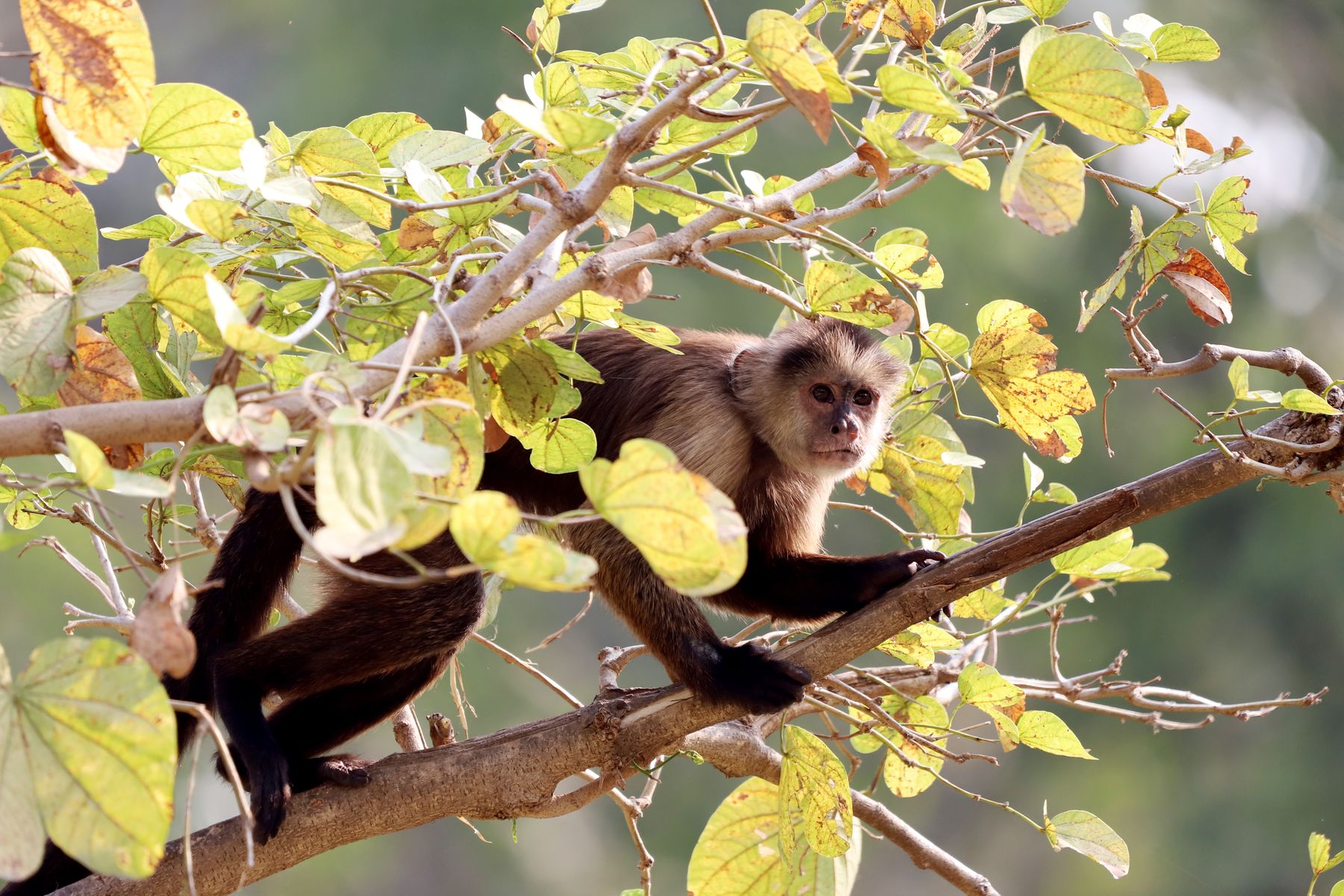
In 2003, a video of two capuchin monkeys became one of the most famous clips in animal behavior research. Two monkeys sat side by side, each trading a small token for a reward. The first monkey handed over her token and got a slice of cucumber, and ate it happily, until she watched her neighbor hand over the same token and get a grape instead. Grapes are, to a capuchin, vastly better than cucumber. The disadvantaged monkey threw the cucumber back at the researcher, rattled the enclosure and refused to eat it at all. The clip has been viewed millions of times as proof that even monkeys know when they are being treated unfairly.
The video was compelling, but it was never proof by itself. One clip, or even one published study, cannot settle whether animals genuinely track fairness the way humans do. Over the following two decades, researchers tested the same basic setup in corvids, parrots, mice, rats, dogs, marmosets, tamarins and chimpanzees, and the results split down the middle: some studies found the same protest behavior, others found nothing at all. A team led by researchers from the University of California, Berkeley, and Utrecht University decided to settle the question properly, not by running one more experiment, but by collecting the original raw data from every eligible study they could find and reanalyzing it as a single dataset.
The scale of the effort is unusual for this field. The researchers contacted the authors of 30 studies and obtained the underlying trial-by-trial data from 23 of them, covering 18 species, 302 individual animals and 60,430 separate observations. Rather than simply averaging the conclusions each original paper reported, a common weakness of older meta-analyses, they rebuilt every dataset from scratch and ran the same statistical model across all of it, including separate checks limited to just chimpanzees and just capuchin monkeys, the two species tested most often.
Across all of it, the classic result did not hold up. Animals were no more likely to reject their reward when a partner received a better one, not across the full dataset, not among the species previously reported to show the effect, not among primates specifically, and not in chimpanzees or capuchins analyzed on their own. The closest result came from the full dataset, where the pattern nearly reached statistical significance but still fell short. Every other subset came back clearly negative.
Something else was driving the protests, just not the thing everyone assumed. The same analysis found a real and statistically significant effect for a different explanation entirely: animals rejected the lower value reward more often whenever a better one was visibly presented to them, regardless of whether a partner actually received it or not. In other words, simply dangling a grape in front of a monkey before handing her cucumber was enough to trigger a protest, even with no partner in the room at all. Researchers call this the disappointment hypothesis, and in this dataset it explained the rejections far better than any sense of fairness did.
That distinction matters for how the original studies were interpreted. Most of the classic experiments, including the 2003 capuchin study, included a partner receiving the better reward, which means genuine inequity and simple disappointment were tangled together the entire time. This new analysis is one of the few attempts to pull those two explanations apart directly, and once separated, only disappointment survived contact with the combined data.
None of this proves animals never care how they are treated relative to others. The authors are explicit that their conclusion is limited to the specific accept or reject setup used in these 23 studies, seven eligible studies could not be included because the original data was unavailable, and it remains possible that inequity aversion shows up in more naturalistic settings, in different experimental designs, or in individuals with specific personalities or long social histories with their partners. What the data does undercut is the idea that a fully developed sense of fairness, the kind that lets a four-year-old child protest getting a smaller slice of cake than their sibling, is something humans simply inherited from a shared animal ancestor.
Source: Ritov, O., Völter, C.J., Raihani, N.J., Engelmann, J.M. “No evidence for inequity aversion in non-human animals: a meta-analysis of accept/reject paradigms.” Proceedings of the Royal Society B: Biological Sciences, 291(2035), 2024. DOI: 10.1098/rspb.2024.1452.