 Editorial NexoScience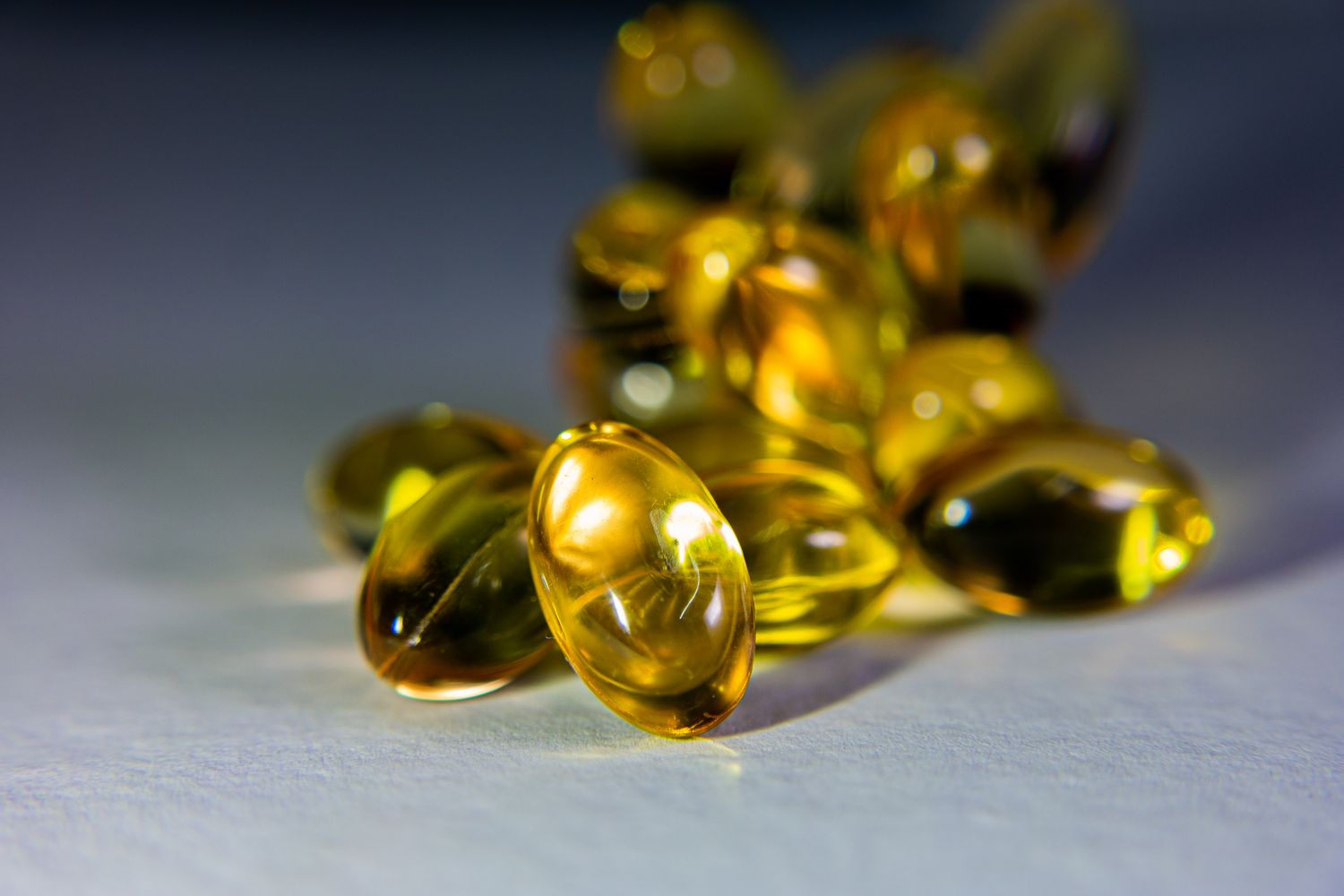
Could a bottle of vitamin E capsules actually take the edge off one of gynecology’s most stubborn pain conditions? For a disease that costs the US economy an estimated 78 billion dollars a year in healthcare and lost productivity, and that typically takes years to diagnose even in wealthy countries, that question deserves a real answer.
Endometriosis affects about one in ten women of reproductive age, causing chronic pelvic pain, painful periods and pain during sex severe enough to disrupt work, relationships and daily life. There is still no cure, and current treatments rely on hormonal medication or surgery, both of which carry side effects and a real risk that symptoms come back.
Oxidative stress seems to feed the pain itself. Endometriosis tissue sits in an environment flooded with reactive oxygen species, unstable molecules that damage cells when the body’s antioxidant defenses cannot keep up. Peritoneal fluid from patients shows elevated inflammatory cytokines, and macrophages activated in that environment are thought to drive much of the chronic pain. That mechanistic link is what pushed researchers to test whether simply topping up antioxidant vitamins, namely vitamin C, vitamin E and vitamin D, could calm the process down.
A team searched PubMed, Web of Science, the Cochrane Library, Scopus and China’s CNKI database through March 2023, following PRISMA guidelines and a protocol registered in advance with PROSPERO. After screening 4420 records, 13 randomized controlled trials survived, covering 589 patients across Iran, China, Mexico, Egypt, Germany and the United States.
Vitamin E, alone or paired with vitamin C, eased chronic pelvic pain. Patients receiving vitamin E, with or without vitamin C, reported significantly less chronic pelvic pain than those on placebo, an effect that held up across both the pain-scale data and the share of patients who reported real improvement. Vitamin D alone told a different story: it nudged pain scores down too, but the difference from placebo never reached statistical significance.
Every vitamin regimen tested helped with menstrual cramping. For dysmenorrhea specifically, all three vitamins, whether combined with each other or paired with hormonal contraceptives, produced a meaningful reduction in pain, with unusually consistent results across the nine trials that measured it.
Pain during sex proved harder to shift. Dyspareunia responded well to the vitamin E and C combination, but neither vitamin D nor vitamin E on its own outperformed placebo on that specific symptom, a reminder that not every form of endometriosis pain answers to the same fix.
Blood tests backed the pain relief with a biological signal. In patients who took vitamin E and C, blood levels of malondialdehyde, a standard marker of oxidative damage, fell in proportion to how much and how long they supplemented, and inflammatory markers in pelvic fluid, including RANTES and interleukin-6, dropped as well. That pattern gives the pain relief a plausible biological mechanism rather than leaving it as a statistical coincidence.
None of this amounts to a cure, and the evidence still has real gaps. The trials were randomized, which supports a causal read, but most were small, came from a handful of countries, and used different doses and follow-up windows, which is likely why results varied so much between studies. The certainty of the evidence was rated low for pelvic pain and dyspareunia and only moderate for dysmenorrhea. Data on fertility outcomes came from just two trials and showed no effect on pregnancy rates, though there were hints of better egg and embryo quality that would need far more research to confirm.
The findings come from Zheng SH, Chen XX, Chen Y, Wu ZC, Chen XQ, Li XL, published in Reproductive Biology and Endocrinology in 2023 (DOI 10.1186/s12958-023-01126-1), a systematic review and meta-analysis of 13 randomized controlled trials on antioxidant vitamin supplementation for endometriosis-related pain.
This article summarizes published scientific research for general information. It is not medical advice and does not replace consultation with a qualified health professional.