 Editorial NexoScience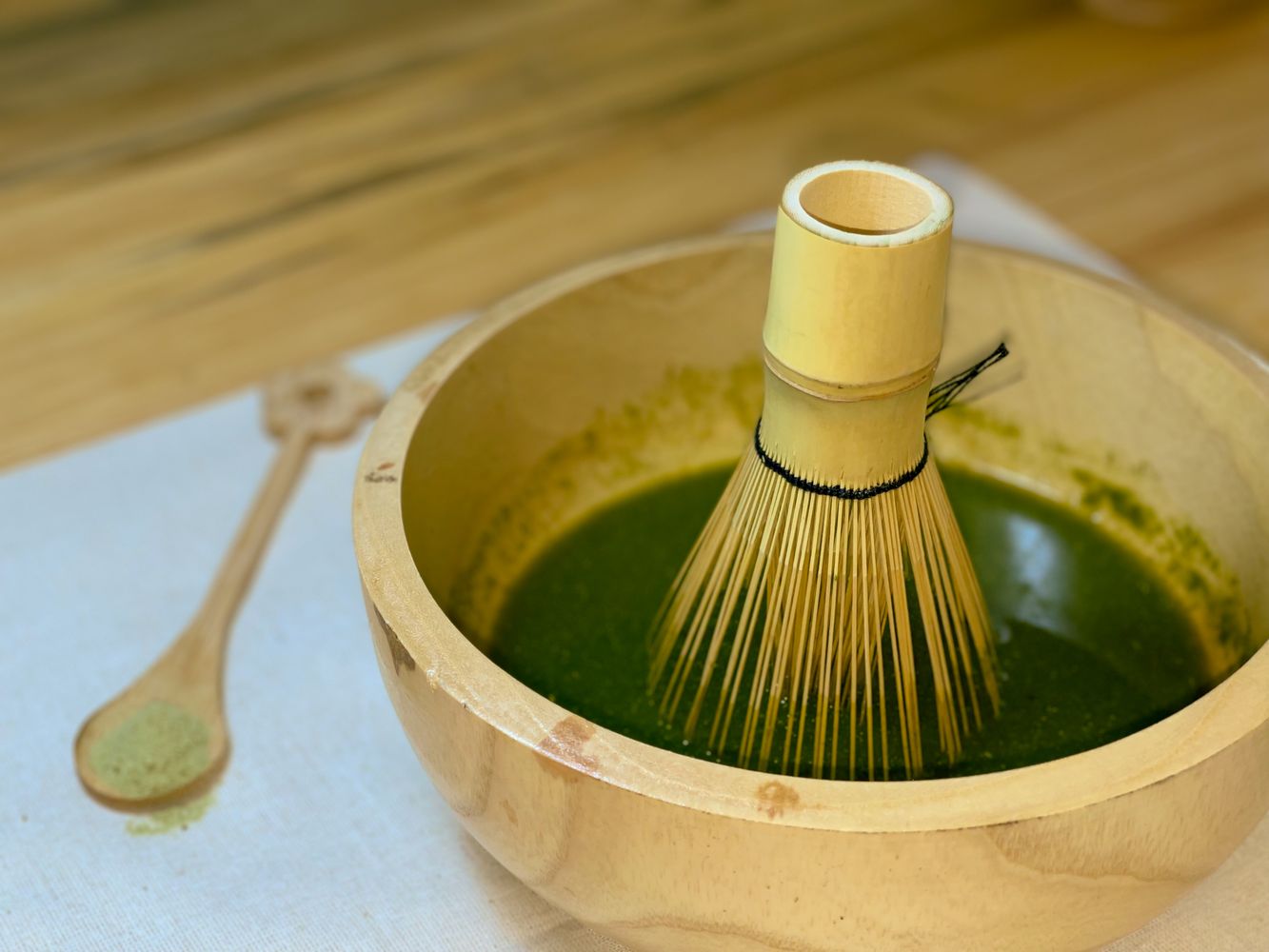
Caffeine is usually the first suspect when sleep goes wrong. Matcha green tea is full of it, roughly as much as a small cup of coffee per daily dose. So when researchers in Japan gave older adults 2 grams of matcha every day for a year, disrupted sleep is what caffeine alone would predict. That is not what happened.
The trial, run out of the University of Tsukuba Hospital and Memory Clinic Toride, recruited 99 adults aged 60 to 85 who already showed early signs of cognitive trouble, either subjective memory complaints or diagnosed mild cognitive impairment. Half received capsules with the equivalent of 2 grams of matcha a day, roughly what goes into a single bowl in a traditional tea ceremony. The other half received an identical-looking placebo. Neither participants nor the researchers scoring the results knew who was in which group until the study ended, twelve months later.
The headline cognitive tests barely moved. The two measures the trial was actually designed to detect, the Montreal Cognitive Assessment and a scale of daily living ability, showed no meaningful difference between the matcha group and the placebo group after a year. If the story stopped there, this would be one more supplement that sounded promising and did nothing.
It does not stop there. A more specific test told a different story. Among a battery of computerized cognitive measures, one called social acuity, which scores how accurately people read facial expressions and emotional cues, improved significantly in the matcha group compared with placebo. Participants taking matcha made fewer errors recognizing what a face was expressing, a skill that tends to erode early in cognitive decline, often before standard memory tests pick up on anything.
Sleep quality moved too, just short of statistical certainty. Scores on the Pittsburgh Sleep Quality Index, the standard questionnaire for how well people actually sleep, improved in the matcha group by an amount that just missed the conventional cutoff for significance. The researchers point to theanine, another compound concentrated in matcha, as the likely explanation. Earlier trials found that theanine alone, even at a lower dose than what participants got here through matcha, measurably improved sleep in other populations. The theory is that theanine’s calming effect offsets caffeine’s stimulating one, so the two roughly cancel out instead of matcha keeping people up.
Everyone in the trial had their blood checked for theanine levels to confirm they had actually been taking their capsules and not just reporting that they had, and compliance held above 98% for the full year, which is unusually high for a study this long.
None of this proves matcha prevents dementia. The sample was small by the standards of drug trials, the sleep result did not clear the bar researchers set in advance, and the people running the numbers were honest that the primary outcomes, the ones the study was actually built to detect, came back null. What the data does support is narrower and more interesting: in adults already showing early signs of cognitive decline, a daily habit that is easy to keep and already culturally familiar nudged two specific things, reading faces and sleeping better, without the sleep disruption caffeine would normally cause.
The findings come from Uchida K, Meno K, Korenaga T, et al., “Effect of matcha green tea on cognitive functions and sleep quality in older adults with cognitive decline: A randomized controlled study over 12 months,” published in PLOS ONE (2024), DOI: 10.1371/journal.pone.0309287.
This article summarizes published scientific research for general information. It is not medical advice and does not replace consultation with a qualified health professional.