 Editorial NexoScience
More protein will not save your heart, and it will not wreck it either. That is the blunt takeaway from one of the largest efforts yet to settle a question that has followed the high-protein trend for years: does eating well above the standard recommended amount of protein raise or lower your risk of heart attack, stroke, or cardiovascular death?
High-protein eating has become the default advice for anyone trying to lose weight, build muscle, or simply feel fuller for longer, and it is now central to how many people manage their diet alongside exercise or weight-loss medication. But the science on its long-term effect on the heart has been messy. Some cohort studies link high protein intake to better cardiometabolic numbers. Others tie it to worse kidney and cardiovascular outcomes, or even higher mortality. Part of the confusion comes down to definitions: many previous studies simply compared the top and bottom percentiles of protein consumption in their sample, a method that can lump people with only moderately high intake into the “high protein” group.
Researchers set out to fix that definitional problem before answering the health question. Publishing in the journal Nutrients, a team led by Emmanouil Mantzouranis pooled 14 prospective cohort studies covering 656,490 adults without pre-existing cardiovascular disease, using a strict cutoff: to count as a high-protein diet, at least 18% of daily energy intake had to come from protein, roughly 1.4 grams per kilogram of body weight for an average adult eating 1,800 to 2,300 calories a day. That is well above the official recommended dietary allowance of 0.8 grams per kilogram.
The results were consistently unremarkable, in the best sense of the word. Six studies covering 221,583 people found no statistically significant difference in cardiovascular death between high and normal protein eaters. Three studies with 90,231 participants found no reduction, and no increase, in stroke risk. And when the researchers combined non-fatal heart attacks, strokes, and cardiovascular deaths into a single composite outcome across 13 studies and 525,047 people, the difference between groups still did not reach statistical significance.
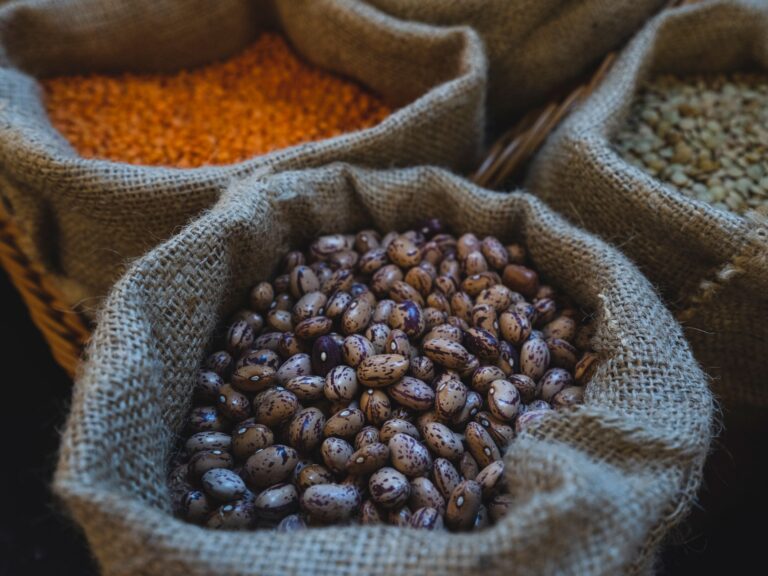
None of this means protein intake is irrelevant to heart health, only that the total amount, on its own, is not the deciding factor. The paper’s authors point out that earlier research suggesting a benefit for high protein intake has usually found it specifically for plant-based protein sources like legumes and soy, while diets heavy in animal protein have shown more mixed results in some analyses. This study did not separate plant from animal sources, since a realistic high-protein diet rarely draws from only one, so it cannot settle that particular debate.
It is also worth being clear about what kind of evidence this is. All 14 studies were observational, following people over time rather than randomly assigning them to different diets, so the findings show an association, not proof that protein intake directly causes or prevents heart problems. Factors the researchers could not fully control for, like overall diet quality, physical activity, and existing risk factors such as high blood pressure or diabetes, could still be shaping the picture.
For now, the practical message is reassuring rather than dramatic: choosing a high-protein diet for weight loss or muscle gain does not appear to come with a hidden cardiovascular cost, at least not one large enough to show up across more than half a million people. Whether it is actively good for the heart, especially depending on where that protein comes from, remains an open question for future research.
Source: Mantzouranis, E., Kakargia, E., Kakargias, F., et al. “The Impact of High Protein Diets on Cardiovascular Outcomes: A Systematic Review and Meta-Analysis of Prospective Cohort Studies.” Nutrients, 2023. DOI: 10.3390/nu15061372.
This article summarizes published scientific research for general information. It is not medical advice and does not replace consultation with a qualified health professional.