 Editorial NexoScience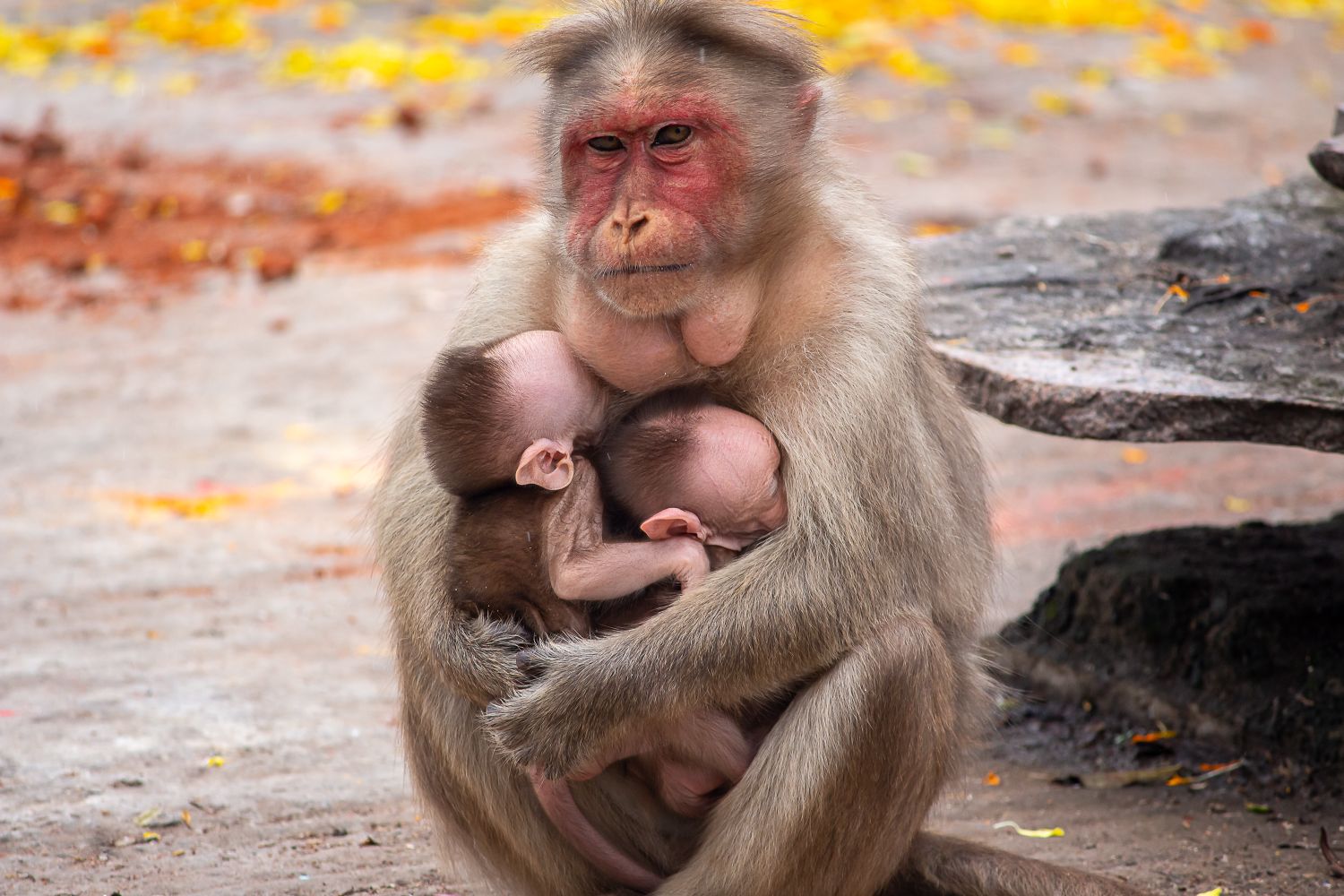
In the 1980s, primatologist Robert Martin noticed something odd while comparing pregnancy lengths across mammals. The species that would eventually grow the largest brains also spent the longest time in the womb, and then nursed their young for months or years afterward. Martin’s idea, that a mother’s energy budget somehow limits how big a brain can get, struggled to gain traction for decades. A new synthesis published in PLOS Biology now argues he was onto something real, just not the full picture.
A growing brain cannot pay its own bills. Brains are unusually expensive tissue. They burn energy constantly, even during sleep, and that energy demand cannot simply be switched off when food runs short, the way it can be for muscle or fat. Worse, a brain is close to useless before it finishes developing: an animal cannot out think a predator or find food efficiently with cognitive machinery that is still under construction. Across vertebrates this gap between endotherms and ectotherms is enormous. Birds and mammals carry brains that run roughly ten times larger, relative to body size, than those of fish, amphibians and reptiles.
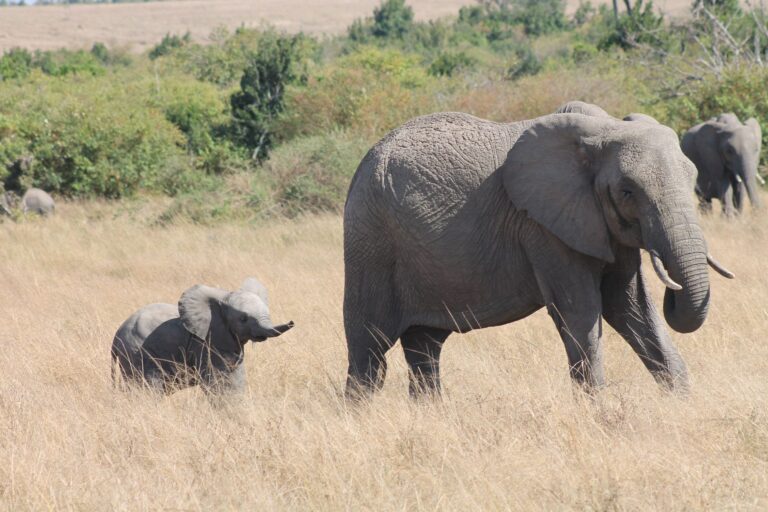
Someone else has to cover the cost while the brain is built. The researchers call this extended parental provisioning: every calorie a parent hands over through gestation, milk, regurgitated food or simply body heat while huddling a helpless newborn. In most fish, amphibians and reptiles, parental investment stops at the egg. The young are on their own from the moment they hatch, which caps how large their brains can practically become. Birds and mammals took the opposite route, and the timing makes the point. Bird brains and bodies often finish growing years before the animal ever attempts to breed, a stretch of dependency that would be a fatal luxury without a parent footing the bill.
The link is a strong correlation, not yet a proven cause. The evidence comes from comparing traits across hundreds of species using phylogenetic methods, the standard toolkit for reconstructing evolutionary history when you cannot run an experiment on millions of years of the past. Species that evolved longer, more intensive parental investment reliably show larger relative brain sizes, and the authors argue the causal arrow runs from provisioning to brain size rather than the reverse. That argument is a hypothesis built on existing comparative data, not new experimental proof, and the authors are explicit that some pieces remain untested.
There may be a survival payoff hiding behind the intelligence one. The authors point to a preliminary, still unpublished analysis of 18 primate species across 13 genera living in undisturbed habitats, which found that larger relative brain size was associated with better odds of surviving to reach adulthood, even though those animals also took longer to get there. If that pattern holds up under further scrutiny, it suggests parental provisioning is not just an evolutionary shortcut to more intelligence. It may be protection, buying a vulnerable, half built brain enough time to finish the job before something eats it.
The study, “Extended parental provisioning and variation in vertebrate brain sizes,” was published in PLOS Biology by Carel P. van Schaik, Zitan Song, Caroline Schuppli, Szymon M. Drobniak, Sandra A. Heldstab and Michael Griesser (DOI: 10.1371/journal.pbio.3002016).