 Editorial NexoScience
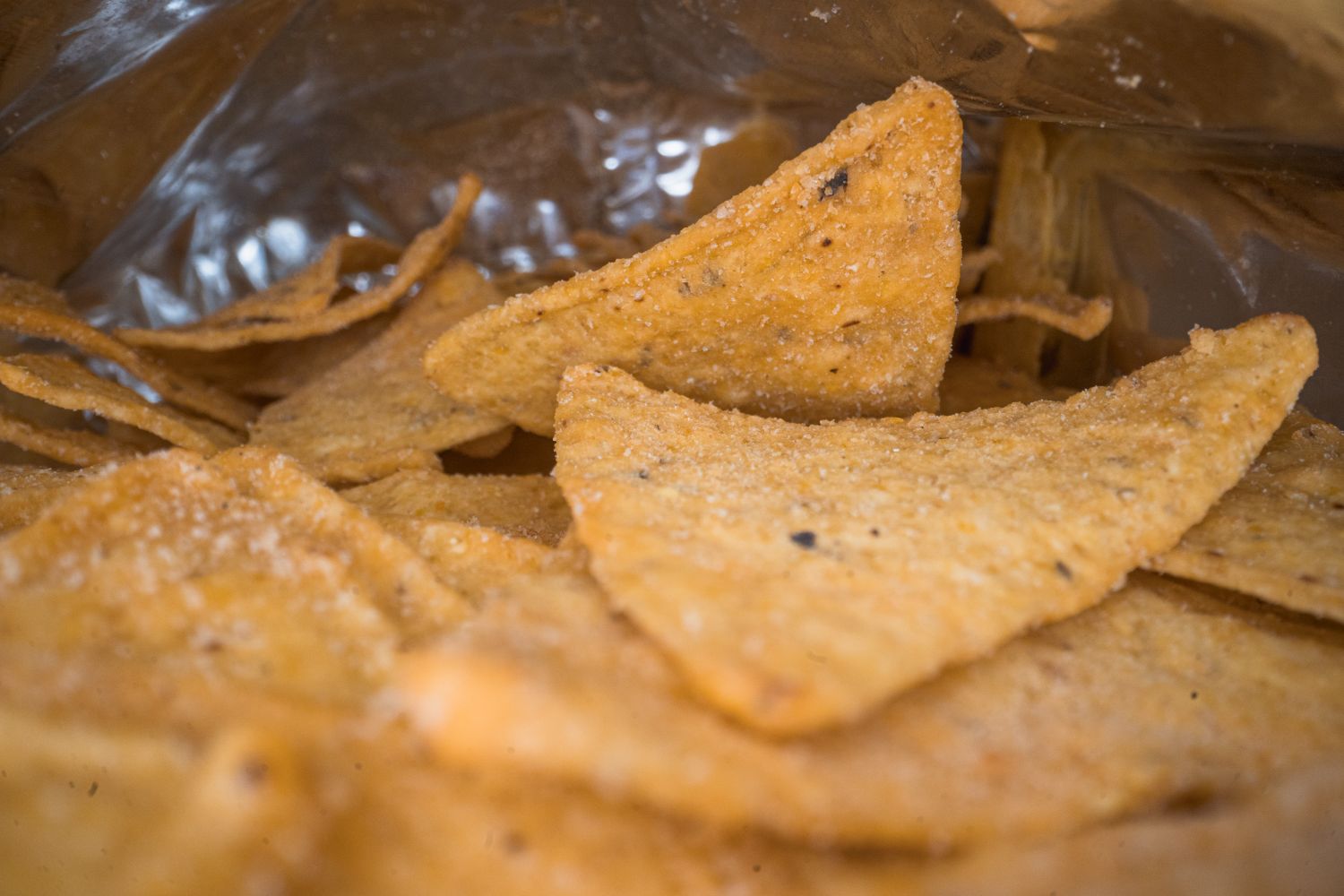
A bowl of sweetened cereal at breakfast. A packaged snack in the afternoon. A ready meal on a busy weeknight. In many wealthy countries, ultra-processed foods like these now supply more than half of daily calories, and their ties to extra weight, diabetes and heart trouble are well documented. Their tie to the brain is much murkier. A large batch of brain scans from Canada has just added a piece to that puzzle.
Among middle-aged adults with no heart disease, those who ate the most ultra-processed food were more likely to show small areas of damage on brain MRI than those who ate the least. Their memory and thinking scores, though, looked just like everyone else’s. The findings, published in 2026 in the journal JAMA Network Open by a team whose first author is Russell J. de Souza, connect ultra-processed food and brain health at a stage when nothing seems wrong yet. Every measure was taken at a single visit, so the study shows an association, not proof that the food caused the damage.
The scans covered thousands of healthy Canadians. The researchers pooled data from two long-running projects: the Canadian Alliance for Healthy Hearts and Minds, and the Canadian participants of PURE-MIND, a brain study that also runs in other countries. Together they included 8,783 adults aged 35 to 70, none with cardiovascular disease. Each person filled out a food frequency questionnaire, a detailed checklist of what they had usually eaten and drunk over the previous year. The team then sorted every item with the NOVA system, which ranks foods by how much industrial processing they go through. Ultra-processed products sit at the far end, and the authors describe them as typically high in added sugars, salt, saturated fat and food additives.
Neurologists read the scans blind. Specialists at a central facility reviewed every brain MRI without knowing anything about the participants’ diets. They looked for two kinds of quiet damage. One was covert brain infarcts, small strokes that happen without any noticeable symptoms. The other was a heavy load of white matter hyperintensities, bright patches on the scan that mark injured tissue in the brain’s wiring. Either one counted as vascular brain injury, damage linked to the brain’s small blood vessels. Both are early signs of cerebrovascular disease that can build for years before a doctor would spot any decline in thinking.
The heaviest eaters showed more damage. The team split participants into four equal groups by how many servings of ultra-processed food they ate for every 2,000 calories. In the lowest group, 8.1% had vascular brain injury. In the highest, 11.3% did. After accounting for age, sex, ethnicity, income, education, exercise, smoking, diabetes, high blood pressure, abnormal blood fats and total calories, the top group still had about 40% higher odds of brain injury than the bottom group. Looked at one by one, silent strokes and white matter damage both leaned the same way. Neither reached statistical significance consistently on its own.
Packaged food took over the plate. Counted by servings, ultra-processed items made up about one in six of everything the lightest eaters consumed. For the heaviest eaters, it was close to half. Minimally processed foods moved the other way. Here’s the thing, though: the heavy eaters weren’t skimping on vegetables. They actually reported slightly more vegetables, whole grains and dairy each day, along with roughly 300 more calories overall. So the gap is unlikely to come down to one missing food group, the authors argue. The processed share simply grew until, in proportion, it pushed the rest of the menu aside.
Belly fat rose too, but it doesn’t explain the brain link. People in the top group carried more body fat, about 1.7 percentage points more than those in the bottom group. They also had more visceral fat, the deep fat packed around the abdominal organs. The extra amount on their scans came to about 0.2 fluid ounces (5.7 milliliters), a little more than a teaspoon. Liver fat didn’t differ. The body fat pattern was strongest in people with obesity and didn’t show up at all in people of normal weight. Visceral fat is a plausible go-between, since it’s tied to inflammation and blood vessel damage. Yet when the researchers added body fat and visceral fat to their models, the link with brain injury barely moved. To the authors, that hints that something about food processing itself may also play a part.
Memory scores didn’t budge. Everyone took two short tests. The Montreal Cognitive Assessment screens several mental skills at once, and the Digit Symbol Substitution Test measures processing speed, attention and working memory. Average scores sat comfortably in the normal range and barely changed from the lightest eaters to the heaviest. Honestly, that’s less reassuring than it sounds. The authors give several reasons. A healthy, well-educated group leaves little room for scores to fall. Brief screening tests can miss subtle early changes. And structural damage in the brain’s blood vessels may simply show up before any measurable decline. They read the overall picture as a sign that diet-related changes in the body and brain may appear earlier in life than problems with thinking.
One result pointed the “wrong” way. After the team adjusted for body fat, visceral fat and brain injury, the heaviest eaters scored slightly higher on the Montreal test. The authors are blunt about it. The difference was tiny, the main analyses were null, and the result could come from overadjustment, leftover confounding, measurement error or plain chance across many comparisons. It should not be taken as evidence that ultra-processed food is good for cognition, they wrote.
The brain link showed up mainly in women. When the data were split by sex, women in the top group had about 1.8 times the odds of vascular brain injury compared with women in the bottom group. Among men, the two groups looked about the same. Women also showed stronger links with visceral fat and liver fat. The authors stress that these comparisons were exploratory and weren’t planned in advance. Hormones, fat distribution, inflammation and eating habits are all possible explanations, but the study couldn’t test any of them, and other cohorts will need to check whether the gap holds.
The study can’t say which came first. Diet, body fat, brain scans and cognition were measured at the same visit, so the design can’t establish timing, and reverse causation remains possible. The questionnaire captured a single year of eating, while brain damage of this kind probably builds over much longer. NOVA labels were applied to questionnaire data after the fact, which can misclassify some foods. The brain finding was also fragile. It held when intake was counted as servings per 2,000 calories, but faded when measured as a share of total calories or of total servings, which the authors flag as a reason for caution. The heaviest eaters were more often White European, had lower incomes and less schooling, smoked more and moved less, so leftover confounding by social and food-environment factors can’t be ruled out. And with nearly three in four participants holding a post-secondary education, the results may not travel well to other populations.
Repeat scans are the next test. Whether eating less ultra-processed food would change what turns up on a brain MRI is the question this study can’t answer. The authors call for longitudinal studies that follow the same people over time, to see whether body fat and early vascular damage sit on the road between a heavily processed diet and later cognitive decline. Until those scans come back, the clearest message is about timing: if diet leaves a mark on the brain, middle age is when it may start to show.
Source: de Souza, R. J., Schulze, K. M., Desai, D., Després, J.-P., Dummer, T., Friedrich, M. G., et al. “Ultraprocessed Food Intake and Adiposity, Vascular Brain Injury, and Cognition in Middle-Aged Adults.” JAMA Network Open (2026). DOI: 10.1001/jamanetworkopen.2026.39118
This article summarizes published scientific research for general information. It is not medical advice and does not replace consultation with a qualified health professional.