 Editorial NexoScience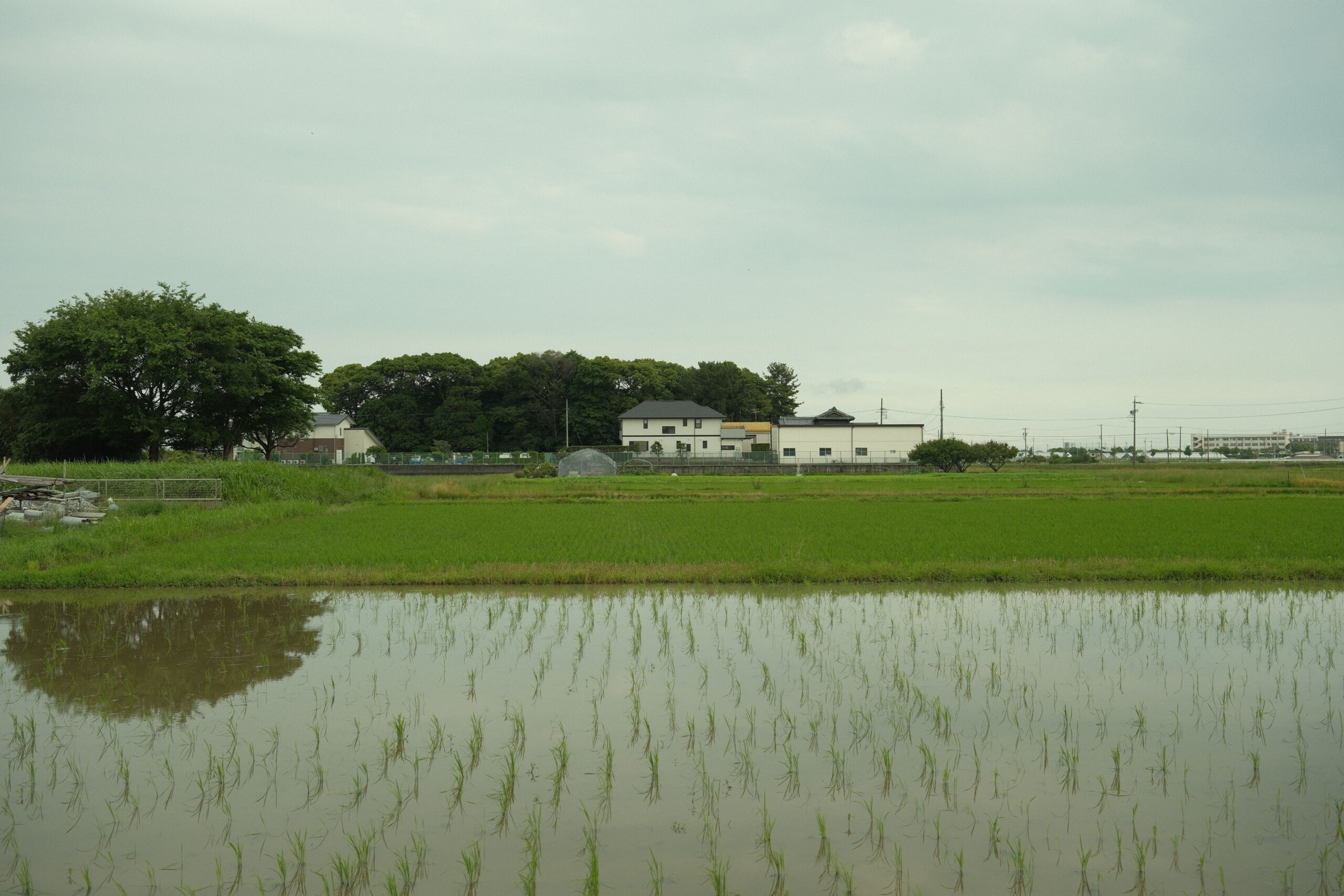
Pull a struggling rice plant out of a paddy and you rarely need a microscope to see what went wrong. The roots are studded with swollen knots, like beads threaded onto a string, each one a feeding site built by the rice root-knot nematode (Meloidogyne graminicola), a microscopic worm that burrows into roots, hijacks the plant’s plumbing and leaves it stunted. It is one of the costliest pests in rice, and the chemicals aimed at it keep getting restricted or losing their bite.
So farmers rotate. Grow a cover crop, chop it into the soil, then plant rice, and infections fall. Researchers in China tested a lineup of them against the worm: alfalfa (Medicago sativa), faba bean (Vicia faba), canola (Brassica campestris), Chinese milkvetch (Astragalus sinicus) and ryegrass (Lolium perenne). Ryegrass and canola were the standouts, cutting galls per plant by roughly 70% compared with rice grown after rice. The textbook explanation was fertility: cover crops feed the soil, and a better-fed plant shrugs off attack.
The fertility story didn’t survive contact with the experiment. Ryegrass really did enrich the soil, lifting carbon, nitrogen, available phosphorus and several micronutrients. But when the team stripped the dissolved nutrients out of that soil and filtered them down past 0.22 microns, removing every nematode, fungus, bacterium and virus, then poured that nutrient solution into sterilized soil, the protection didn’t come with it. A second suspect fell just as fast. Ryegrass tissue extracts and root exudates, tested directly on the worms, killed nothing, ruling out the biofumigant chemistry that mustard and sorghum rely on.
The decisive result was the simplest. When the researchers blasted rice-conditioned and ryegrass-conditioned soils with X-rays to kill everything living in them, the gap in nematode infection between the two soils completely disappeared. Whatever ryegrass leaves behind, it is alive.
The bacteria do more than kill. Sequencing showed ryegrass rotation reshaping the soil community, enriching genera including Ramlibacter and Pseudomonas while depleting Acidovorax. The team then cultured hundreds of strains from those soils and put fifteen of the ryegrass-enriched ones to work one at a time. Fourteen of the fifteen significantly suppressed nematode survival on their own, and cell-free supernatants from the cultures were often deadlier than the living cells, hinting that the weapon is a secreted compound rather than the bacterium itself.
Then came the second front. Ryegrass rotation raised jasmonate defense hormones in rice roots, the plant’s alarm chemistry, while leaving other hormones untouched. Feed rice a jasmonate-deficient mutant’s genetics and the entire benefit of rotation vanished, which means the plant’s own immune cascade, running from receptor kinases through a MAPK and WRKY transcription factors to jasmonate itself, is doing half the work. Sterilize the soil and that hormone surge disappears too, tying the alarm signal back to the microbes rather than to anything the rice does alone.
Think of it as hiring a guard and running a fire drill at once. One line of defense thins out the attackers before they arrive. The other makes the house harder to enter for those that do. Neither is the soil fertility everyone had been crediting.
The limits here are real, and the authors are direct about them. This is a glasshouse pot study, not a field trial, with none of the weather, mixed pest pressure or soil variability a working farm brings. The mechanism was dissected in a single cover crop, ryegrass, even though four others also protected the crop by routes that remain untested. It covers one nematode species and one host. Which bacterial metabolites actually do the killing is still an open question.
What it changes is the question a farmer or breeder should ask. Not which cover crop adds the most organic matter, but which one recruits the right microbial workforce.
The study, “Cover crop rotation suppresses root-knot nematode infection by shaping soil microbiota,” by Hualiang Zhang, Dongsheng Guo, Yuting Lei, Jose L. Lozano-Torres, Ye Deng, Jianming Xu and Lingfei Hu, was published in New Phytologist (2024). DOI: 10.1111/nph.20220.