 Editorial NexoScience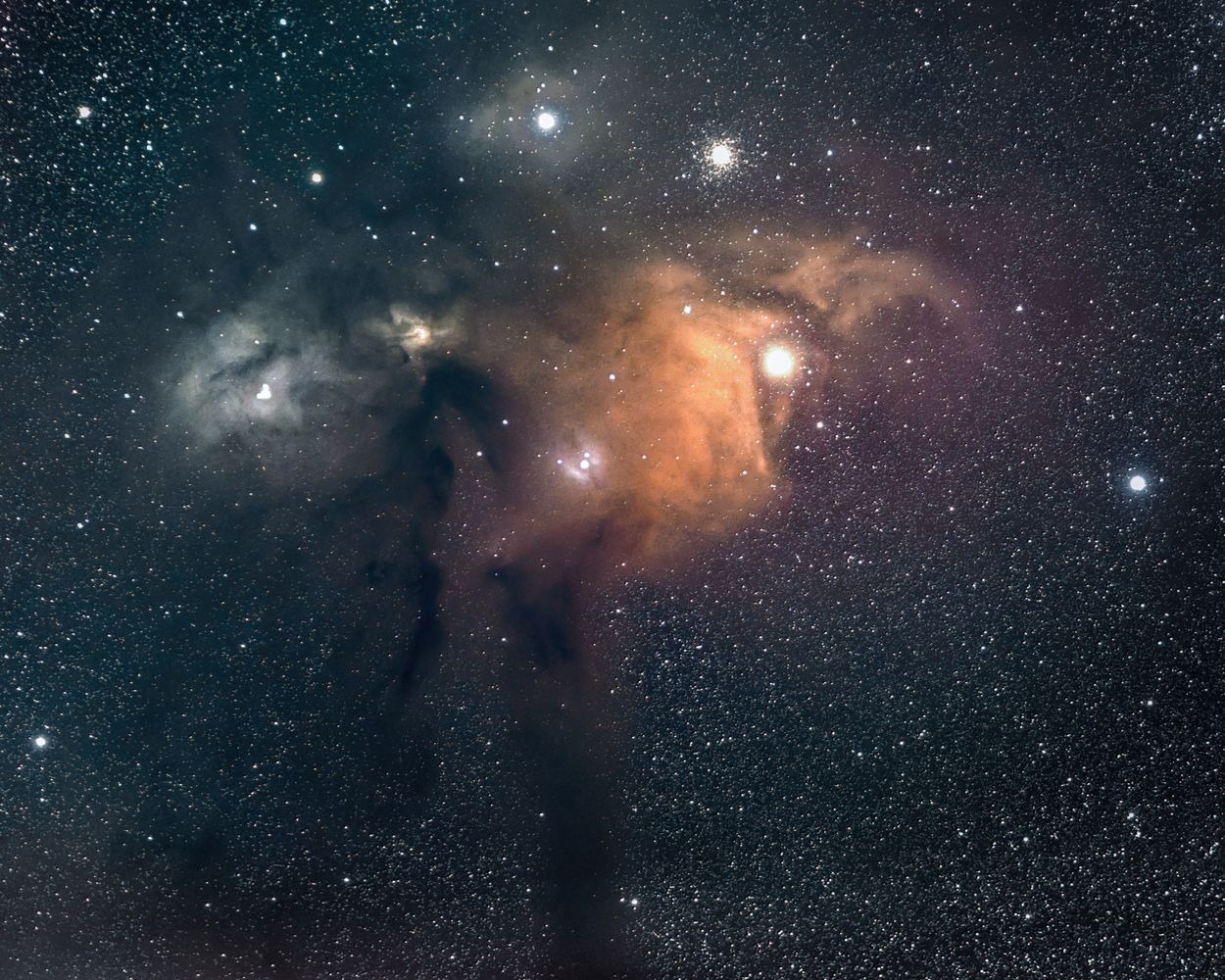
In September 1969, a meteorite broke apart over the town of Murchison, in southeastern Australia, scattering fragments of rock that had drifted through space for millions of years. Among the organic compounds scientists later pulled from those fragments was glyceric acid, a small three-carbon molecule that gets little attention outside biochemistry classrooms but sits close to the center of how living cells burn sugar for energy.
Glyceric acid feeds directly into glycolysis, the pathway nearly every cell on the planet uses to extract energy from sugar. It also plays into the Calvin cycle plants rely on during photosynthesis, and it can be converted into the amino acid serine or into lactic acid, the same molecule that builds up in muscles during hard exercise. Finding it inside a rock that fell from space, at concentrations comparable to amino acids, raised an obvious question: could a molecule this central to life’s chemistry form on its own, with no biology involved, out in the cold of interstellar space?
A team from the University of Hawaii at Manoa and the University of Mississippi, led by chemist Ralf I. Kaiser, decided to test that idea directly in the lab rather than just inferring it from what meteorites carry. Their approach involved recreating the exact physical conditions of a molecular cloud, the frigid gas-and-dust nurseries where stars and planets eventually form.
The team deposited a thin layer of ice, just a few hundred nanometers thick, made of carbon dioxide and ethylene glycol onto a silver surface cooled to five degrees above absolute zero. Both ingredients are already known to be common in the space between stars, in comets, and in meteorites. They then bombarded the ice with a beam of high-energy electrons, standing in for the secondary electrons that galactic cosmic rays generate as they tear through real interstellar ice over the course of a few million years.
That radiation was enough to break the molecules apart and let the fragments recombine into something new. As the ice slowly warmed back up inside a vacuum chamber, the researchers used a technique called photoionization mass spectrometry, essentially weighing molecules by how they ionize under carefully tuned ultraviolet light, to check exactly what had formed. Isotope-labeled versions of the same ice, with heavier forms of carbon, oxygen and hydrogen swapped in, let them confirm the molecular formula atom by atom instead of guessing from a mass number alone.
The result was racemic glyceric acid, the same molecule found in the Murchison meteorite, forming directly inside the irradiated ice. According to the team’s calculations, it happens through a fairly simple chain of events: radiation breaks ethylene glycol and carbon dioxide apart into fragments called radicals, and two of those fragments then snap together with no extra energy needed to get the reaction started, a so-called barrierless reaction that can proceed even at temperatures close to absolute zero.
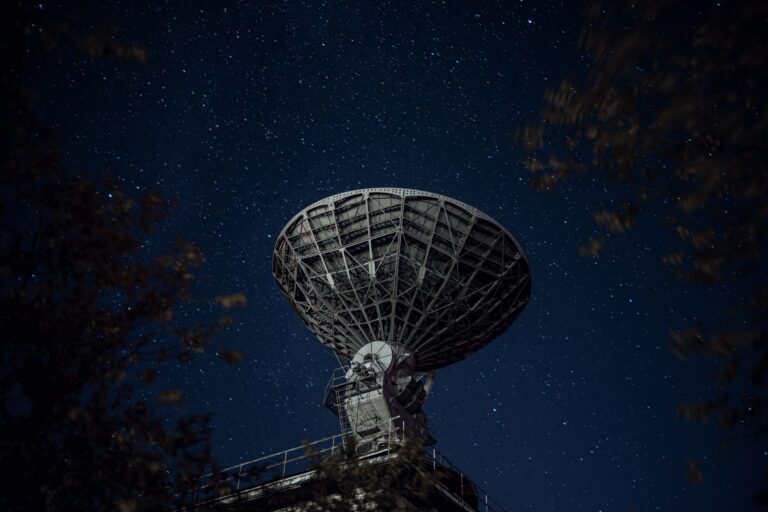
This is a laboratory result, not a direct observation out in space, and the authors are upfront about that distinction. Glyceric acid itself has never actually been detected in the interstellar medium; only simpler relatives like glycolaldehyde have been picked up so far by radio telescopes. What the experiment shows is that the chemistry is plausible under the temperatures and radiation levels real molecular clouds experience, using ingredients astronomers already know are out there. The next step, the researchers argue, would be a targeted search with an instrument like the Atacama Large Millimeter Array, which might catch the molecule’s radio signature directly inside a star-forming cloud.
If that search eventually succeeds, the implications reach beyond a single chemical curiosity. Molecules built inside icy grains in these clouds can later get locked into comets and asteroids, and some of that material can end up delivered to young planets, Earth included, through impacts. A molecule central to how every cell on the planet manages energy may have had at least part of its origin story written in the dark, long before there was anyone around to burn the sugar.
Study: Wang J, Marks JH, Fortenberry RC, Kaiser RI. “Interstellar Formation of Glyceric Acid: The Simplest Sugar Acid.” Science Advances, 2024;10(11):eadl3236. DOI: 10.1126/sciadv.adl3236.