 Editorial NexoScience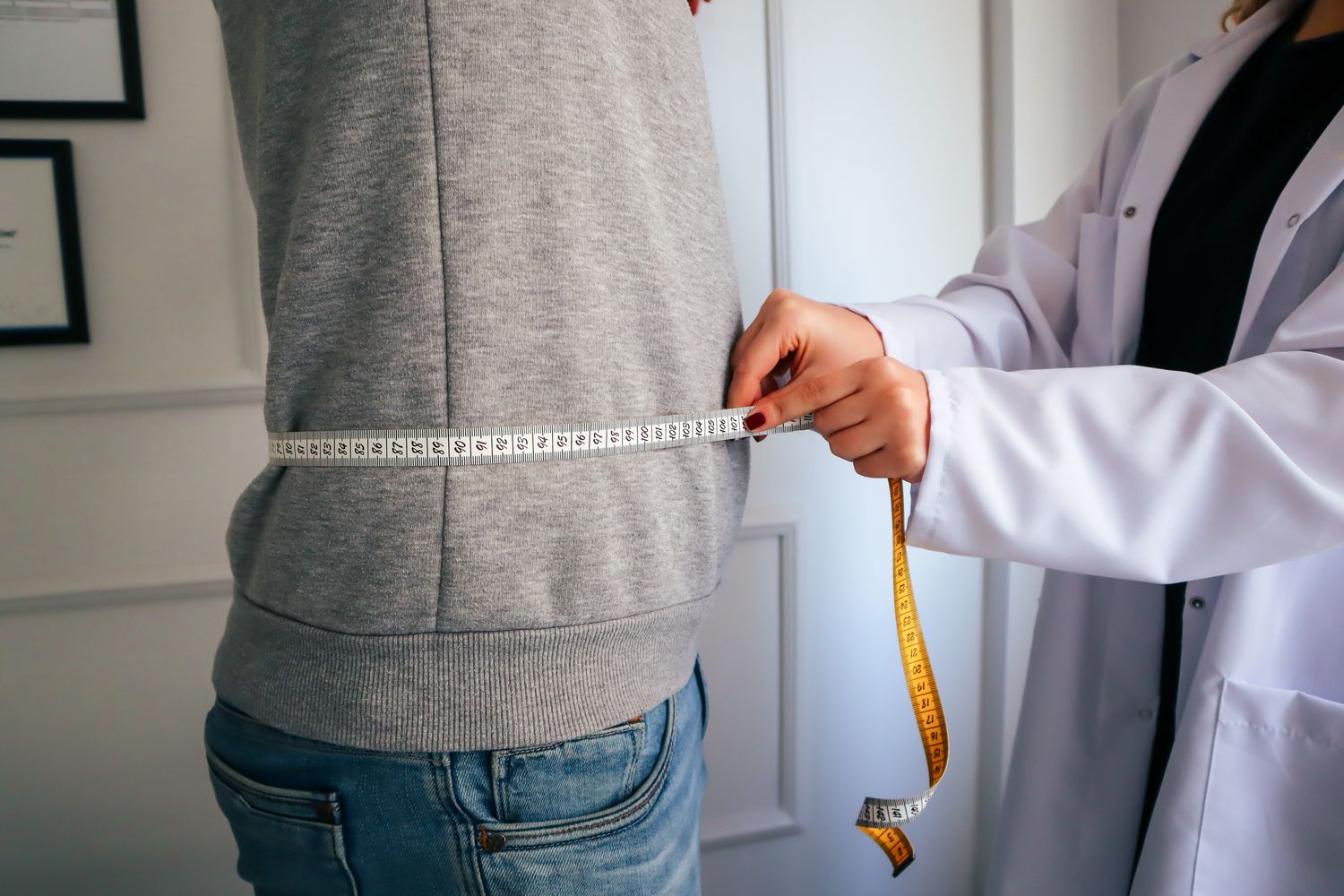
The word “probiotic” did not exist in scientific literature before 1974, when researchers first proposed it to describe live microorganisms that could benefit whoever eats them. Five decades later, probiotic supplements are among the best selling health products on the planet, promoted for digestion, immunity and, increasingly, weight loss. A new meta-analysis published in Scientific Reports set out to test that last claim against real randomized controlled trials instead of marketing copy.
Probiotics did produce a real, measurable drop in body weight. Researchers pooled seven randomized controlled trials, 412 adults with obesity in total, testing daily oral probiotics such as Lactobacillus and Bifidobacterium strains against a placebo. Every trial pointed in the same direction, with essentially no disagreement between studies, and people taking probiotics lost roughly a kilogram more than the placebo group on average (95 percent confidence interval, 0.92 to 1.18 kilograms), a result unlikely to be down to chance.
Waist size and visceral fat moved the same way. Waist circumference shrank significantly more in the probiotic groups across the five trials that measured it, and visceral fat, the metabolically active fat packed around the internal organs rather than under the skin, dropped even more consistently across four trials with no meaningful disagreement between them. Excess visceral fat is one of the strongest known predictors of heart disease, sometimes a better one than body weight itself, which is part of why researchers care about this outcome specifically.
BMI, though, barely moved, and the reason why has its own twist. Six of the seven trials tracked BMI, and pooled together they showed no significant difference between the probiotic and placebo groups. But the trials disagreed with each other heavily on this particular measure, and when the researchers removed a single outlier trial from the analysis, the remaining data suddenly did show a significant drop in BMI. That swing from no effect to a clear effect after dropping one study is exactly the kind of instability that keeps this particular result unsettled.
Cholesterol showed no benefit at all. Only three of the seven trials measured LDL cholesterol, those three disagreed with each other more than on any other outcome, and the pooled result showed no significant difference between probiotics and placebo. With so few trials contributing data, the authors themselves caution against reading much into that null result either way.
The trials behind all of this are still small. 412 people spread across seven studies published between 2014 and 2020 works out to an average of roughly 30 participants per trial, most run for somewhere between eight weeks and six months, and testing a mix of different bacterial strains without ever comparing one strain directly against another. Every trial also layered the probiotic on top of a standard calorie controlled diet, so what got measured is an add-on effect rather than probiotics working alone.
More than 1.9 billion adults worldwide are overweight and over 650 million are classified as obese, a figure that has climbed two and a half times since 1975, exactly the kind of scale that makes even a modest, reliable intervention worth taking seriously. Because every trial here was a randomized controlled trial rather than an observational study, the weight and waist findings sit on firmer causal ground than most nutrition headlines get to claim. Still, with only seven small trials feeding the pooled results and real disagreement on BMI and cholesterol, the researchers themselves stop well short of recommending probiotics as a stand-alone obesity treatment, calling instead for larger and longer trials before that conclusion could be drawn.
The study, “Effects of oral supplementation of probiotics on body weight and visceral fat in obese patients: a meta-analysis and systematic review,” was led by Manhou Guo and colleagues and published in Scientific Reports in 2025 (DOI: 10.1038/s41598-025-90820-8).
This article summarizes published scientific research for general information. It is not medical advice and does not replace consultation with a qualified health professional.