 Editorial NexoScience
A teaspoon of salt holds roughly 2,300 milligrams of sodium. That single teaspoon sits almost exactly at the point where, for millions of people, the risk of dying early starts climbing.
That threshold comes from one of the largest and longest-running looks at sodium and potassium intake ever assembled: the NIH-AARP Diet and Health Study, which followed 416,104 adults (237,036 men and 179,068 women) for a median of 15.5 years. During that time, researchers recorded 77,614 deaths, including 22,228 from cardiovascular disease. Everyone in the study reported their diet once at the start, and researchers tracked what happened to them for the next decade and a half.
Eating more than 2,000 milligrams of sodium a day raised the risk of dying early for both sexes, but not by the same amount. Comparing the highest fifth of sodium intake against the lowest, men saw their overall mortality risk rise by 6%, while women saw theirs rise by 10%. The gap widened further for cardiovascular death specifically: 7% higher risk for men, 21% higher for women. The point where risk was lowest, what researchers call the nadir, sat around 2,300 milligrams a day for men and closer to 1,700 milligrams for women, meaning the “safe zone” itself is narrower for women.
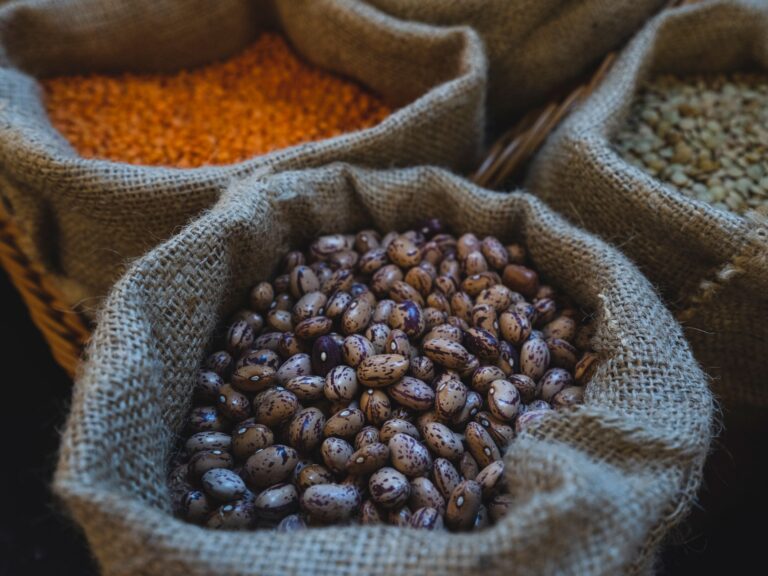
Potassium told the opposite story, and it protected women more than men. Higher potassium intake, found in foods like bananas, potatoes, beans, and leafy greens, was linked to lower mortality in both sexes. But the effect was noticeably stronger in women: each step up in potassium intake cut mortality risk by 4% in men, compared with 18% in women.
The ratio between the two minerals mattered as much as either one on its own. Researchers also calculated each person’s sodium-to-potassium ratio, essentially a measure of how much sodium someone eats relative to potassium. A high ratio was linked to a 9% higher mortality risk in men and a 23% higher risk in women, making it one of the clearest sex differences in the entire analysis.
To check whether this pattern held up beyond a single cohort, the same research team pooled their results with 42 other risk estimates from cohort studies around the world, covering more than 2 million participants and over 80,000 cardiovascular events. The combined analysis confirmed it: people eating the most sodium had a 13% higher risk of cardiovascular disease than those eating the least.
None of this proves that salt alone shortens women’s lives more than men’s. This is observational data, gathered from a single dietary questionnaire at the start of the study rather than repeated urine tests, and it cannot rule out that other habits linked to high sodium intake, like smoking, higher body weight, or a generally poorer diet, are doing part of the work. Current guidelines from the World Health Organization, the American Heart Association, and U.S. dietary guidance all recommend limiting sodium to somewhere between 1,500 and 2,300 milligrams a day, but none of them currently set a different bar for men and women. This research is among the first to suggest maybe they should.
The findings come from Gan, Zhao, Inoue-Choi, Liao, Graubard, Weinstein, Albanes, and Huang, published in BMC Medicine (2024), based on the NIH-AARP Diet and Health Study and an updated meta-analysis of cohort studies. DOI: 10.1186/s12916-024-03350-x.
This article summarizes published scientific research for general information. It is not medical advice and does not replace consultation with a qualified health professional.