 Editorial NexoScience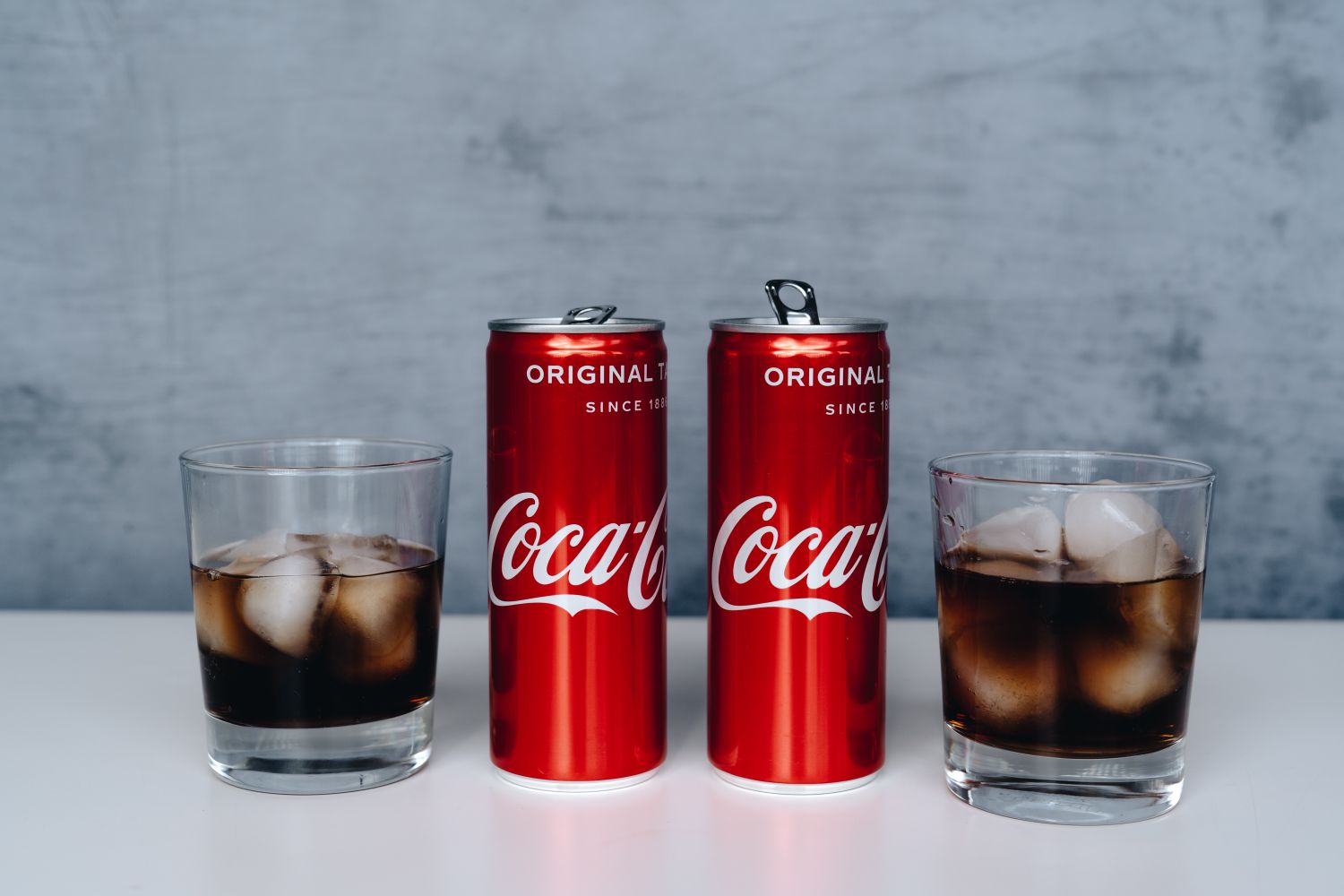
A cold can of diet soda. For decades it has been sold as the safer choice, the way to keep the fizz and the sweetness without the sugar or the extra calories. A large new review of the evidence complicates that story, at least when it comes to how long people live.
People who drink the most artificially sweetened beverages face a higher risk of dying early. Researchers pooled data from 11 long term studies that followed more than 2.19 million adults for anywhere between seven and almost twenty nine years. Across that time, 235,609 participants died. Compared with people who drank the least, those who drank the most artificially sweetened beverages had a 13% higher risk of death from any cause and a 26% higher risk of death from cardiovascular disease specifically. Each extra daily serving was linked to a 6% rise in all cause mortality risk and a 7% rise in cardiovascular mortality risk.
Cancer told a different story. Across the same pooled data, there was no meaningful link between artificially sweetened beverage intake and death from cancer, with a relative risk of 0.99, essentially identical between heavy and light consumers.
The relationship with overall mortality was not a straight line either. Drinking more than one serving a day is where the risk curve bends upward. Below that threshold the association was weak or inconsistent, but consumption above roughly one can a day tracked with a clear rise in the odds of dying during the study period. The link with cardiovascular mortality, by contrast, rose steadily with every additional serving, without a comparable low risk plateau.
Here is the twist that keeps this from being a simple verdict against diet soda. Swapping regular soda for a diet version still came out ahead. In a secondary analysis limited to cohorts that measured both drinks, replacing one daily serving of sugar sweetened soda with an artificially sweetened one was linked to a 4% lower risk of death overall and a 6% lower risk of cardiovascular death. Diet soda was not harmless, but it was not the same as the drink it usually replaces.
Why would a drink with virtually no calories carry any mortality risk at all. The paper authors point to a handful of biological leads rather than a settled mechanism. Small trials have found that some artificial sweeteners alter gut bacteria in ways that blunt the body normal blood sugar response. Animal studies suggest they can interfere with the release of GLP-1, a hormone that helps regulate insulin, and some human data links regular intake to low grade inflammation, a known driver of cardiovascular disease. None of these threads is proven as the definitive cause, and the authors are explicit that more research is needed to nail down the biology.
None of this proves that diet soda itself is causing the extra deaths. Every study folded into this analysis was observational, meaning researchers tracked what people already drank rather than randomly assigning some to drink artificial sweeteners and others not to. People who reach for diet soda may differ from those who do not in ways a food questionnaire cannot fully capture, already carrying more weight, higher blood pressure, or other health risks that led them to cut sugar in the first place. That kind of reverse causation is exactly the scenario dose response and sensitivity analyses are designed to probe, and the association held up across most of them, but it does not amount to proof that the drink itself shortens lives.
The authors rate the overall quality of evidence as moderate for the link with all cause and cardiovascular mortality, and low for the cancer analysis, using a standardized scoring system built for exactly this kind of judgment call. That is a deliberately cautious label, one step below strong evidence, reflecting real study limitations rather than a rounding error.
The takeaway for a can in your hand right now. For anyone drinking sugary soda daily, this analysis suggests a diet version is still the better trade on average. For anyone drinking little or no soda of either kind, the data offers no reason to start.
The study, “Artificially sweetened beverage consumption and all-cause and cause-specific mortality: an updated systematic review and dose-response meta-analysis of prospective cohort studies,” was led by Zhangling Chen and colleagues and published in Nutrition Journal in 2024. It is available under a CC BY open access license, DOI 10.1186/s12937-024-00985-7.
This article summarizes published scientific research for general information. It is not medical advice and does not replace consultation with a qualified health professional.