 Editorial NexoScience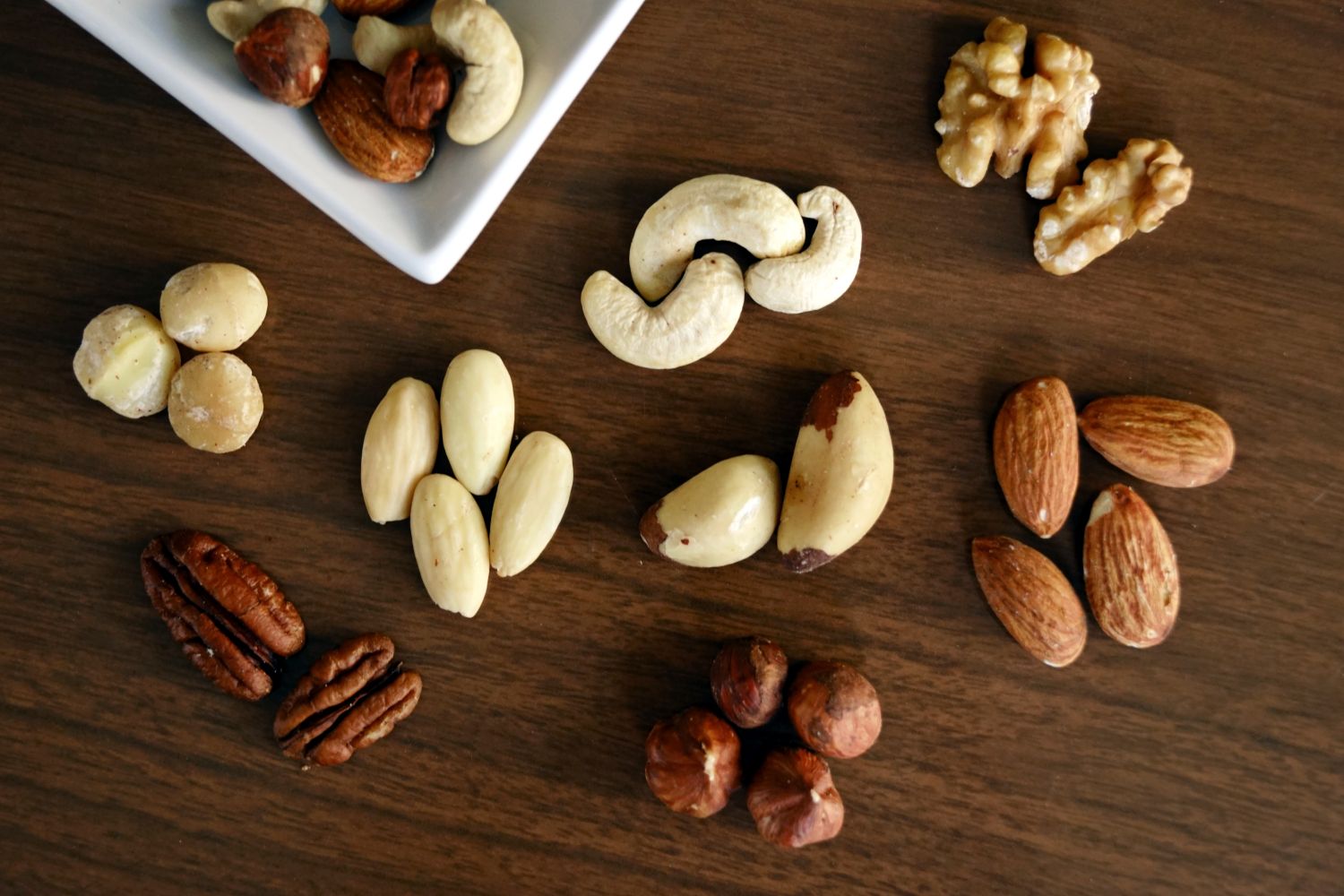
If you have ever kept a bag of almonds on your desk and wondered whether it was doing anything beyond holding off mid afternoon hunger, there is now a quantitative answer, and it comes with an asterisk. By pooling seven observational studies covering 70,136 participants, a research team has estimated how much lower the risk of depressive symptoms is among people who eat the most nuts. The estimate is real and consistent. It also stops being statistically significant in the type of study best suited to talk about cause and effect.
The overall figure is clear, and it is modest. Comparing the highest with the lowest nut consumption, the summary relative risk of depressive symptoms was 0.75, with a 95% confidence interval of 0.67 to 0.85 and a p value under 0.001. That amounts to roughly a quarter lower risk. Heterogeneity between studies was low (I2 of 15%), the result held when each study was removed one at a time, and formal tests for small study effects came back non significant.
How often you eat nuts matters more than simply eating them. Against a baseline of less than once a week, people eating nuts at least three times a week showed a summary relative risk of 0.75 (0.63 to 0.89, p equal to 0.001), with no heterogeneity between studies at all. Those in the middle band, one to under three times a week, landed at 0.93 (0.69 to 1.24, p equal to 0.62), which is indistinguishable from no effect. The authors read this as a possible threshold, the same pattern already described for dietary fibre, where the benefit only appears once intake passes a certain line.
The evidence splits along the line that matters most. When the seven studies were separated by design, the four cross-sectional ones produced a summary relative risk of 0.71 (0.62 to 0.81). The three cohort studies, which follow the same people over time and offer firmer ground for causal inference, produced 0.85 (0.72 to 1.02, p equal to 0.08). That upper limit crosses 1, so the protective association did not reach statistical significance in the design best equipped to detect it. The difference between both groups was not itself significant (p equal to 0.15), so this is a gap in the evidence rather than a flat contradiction.
There is a plausible reason for the mismatch. The cohort studies relied on physician diagnosed depression, which captures moderate to severe cases, while the cross-sectional ones used self-reported symptom scales that pick up milder, subclinical states. If nuts do something, it may be at the mild end of the spectrum. The geographic breakdown fits that reading: the association was significant in the Americas (0.57) and Asia (0.73), regions where the studies leaned on symptom scales, and not in Europe (0.85), where clinical diagnoses were more common.
The biological rationale is not far fetched. Nuts concentrate omega-3 fatty acids, magnesium, vitamin E, flavonoids and lignans, compounds with anti-inflammatory and antioxidant activity linked to neuroplasticity. They are also a decent source of tryptophan, the precursor of serotonin, and their fibre feeds gut bacteria involved in that same metabolic route. Direct human evidence connecting nut intake to brain serotonin remains thin, though the PREDIMED trial did find the lowest incidence of depression among participants assigned to a Mediterranean diet supplemented with mixed nuts.
None of this proves that nuts prevent depression. Every included study was observational, so residual confounding cannot be ruled out, and eating nuts often travels with a broader set of healthy habits that not all studies adjusted for. The definition of a nut varied wildly between studies, from twenty types in one to seven in another, which made analysis by individual nut impossible. With fewer than ten studies available, publication bias tests were underpowered. The honest summary is an association worth investigating, not a prescription.
The study, “The Association Between Nut Consumption and Risk of Depressive Symptoms: A Meta-Analysis of Observational Studies”, was conducted by researchers supported by the BK21 FOUR programme of the National Research Foundation of Korea and published in the journal Nutrients in 2025. DOI: 10.3390/nu17243810.
This article summarizes published scientific research for general information. It is not medical advice and does not replace consultation with a qualified health professional.