 Editorial NexoScience
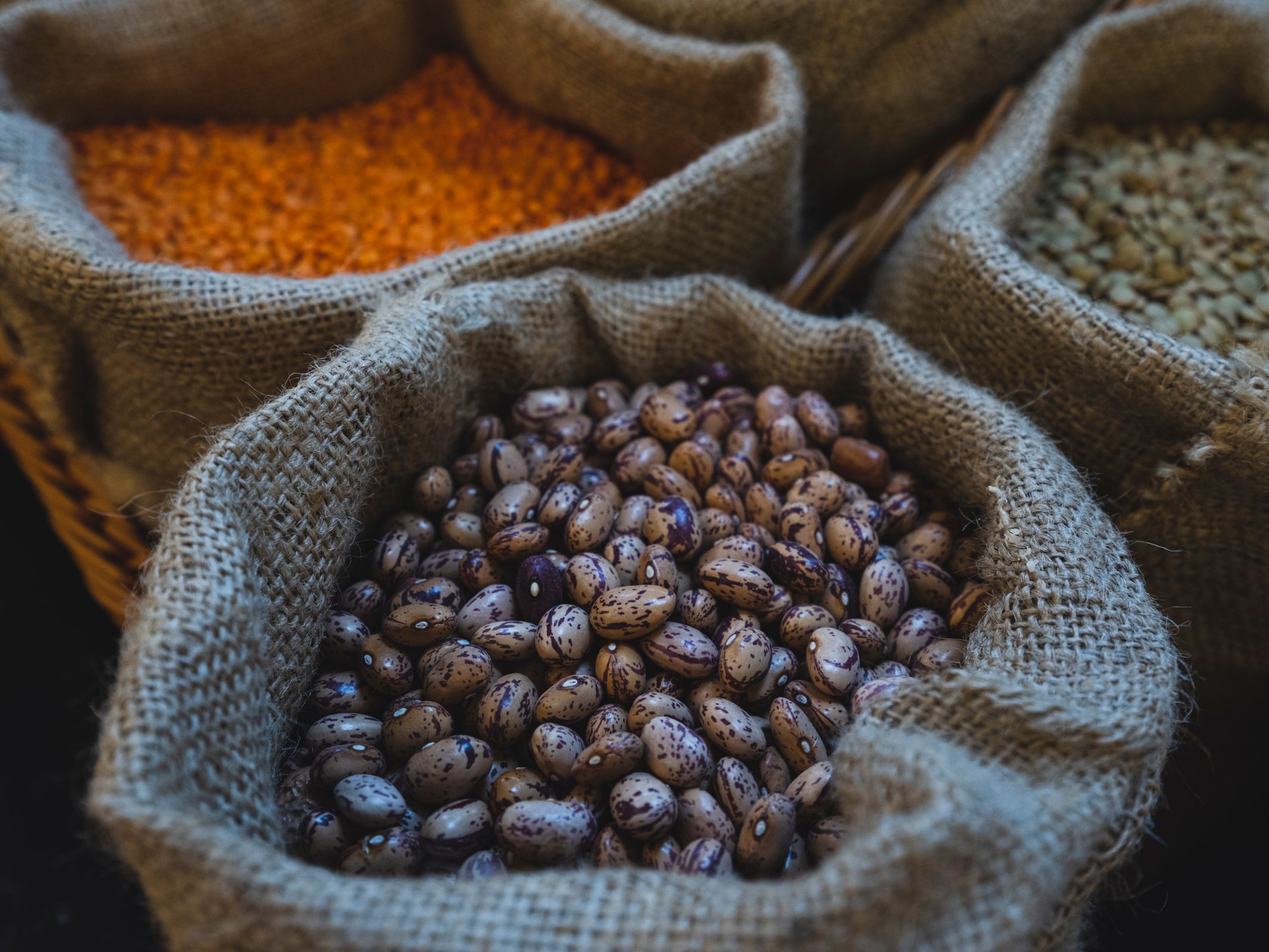
Does a daily probiotic capsule help the immune system fight cancer? In melanoma patients starting immunotherapy the supplement brought no benefit at all, while fiber from ordinary food tracked with a longer time before the tumor grew again.
The idea that swallowing bacteria might make you healthier is more than a century old. It belongs largely to Élie Metchnikoff, the Russian biologist who won a Nobel Prize for his work on immunity and then spent his later years arguing that the soured milk drunk by Bulgarian peasants explained their long lives. The hunch became an industry, and the capsules now sit on pharmacy shelves next to the vitamins. What almost never happened was a test of those products against a hard clinical outcome in seriously ill patients. When researchers finally ran one, in a study published in December 2021 in the journal Science, the result did not go the way the shelf label suggests.
The patients were being treated for advanced melanoma, and many were quietly supplementing on their own. The team profiled the gut microbiome of 438 melanoma patients and asked those starting immune checkpoint blockade (ICB), the class of drugs that releases the brakes cancer puts on the immune system, to fill in a lifestyle survey about diet and supplements. Most were on anti-PD-1 therapy, and their tumors were tracked with scans to sort responders from non-responders. Nearly a third of the surveyed patients reported having taken a commercial probiotic in the previous month, which is a striking share for a product nobody had prescribed them.
Taking a probiotic made no measurable difference to how long the treatment held. Median progression-free survival, the time before the cancer starts growing again, was 17 months in the patients who reported taking probiotics and 23 months in those who did not, a gap that did not reach statistical significance. The odds of responding leaned the same way without clearing that bar either. The researchers were careful about it in the paper, noting that the cohort was not large and that patients were taking a jumble of different formulations, which blurs any signal. What they had was a trend, not a verdict. So they went looking for one in the lab.
In mice, the same kind of supplement actively got in the way. Germ-free mice first received a fecal microbiota transplant from a patient whose melanoma had responded completely to anti-PD-1, giving them a gut community already primed for success. The animals were then given one of two off-the-shelf probiotics bought commercially, one based on Bifidobacterium longum and one on Lactobacillus rhamnosus GG, or plain sterile water. The probiotic mice grew significantly larger tumors under treatment. The effect held up in a second tumor model and in ordinary mice that had carried their own microbes since birth, so it was not an artifact of the sterile setup. Inside those tumors sat the explanation: fewer interferon-gamma positive CD8 T cells, the cytotoxic cells that do the actual killing.
Dietary fiber pointed in exactly the opposite direction. Patients filled in a validated dietary screener, from which the team scored daily fiber intake and drew a line at 20 grams a day. Only 37 of the 128 patients cleared it. Those who did had not yet reached median progression-free survival when the analysis was run, meaning more than half were still doing well, while the group below the line hit theirs at 13 months. The relationship scaled: after adjusting for clinical factors, every additional 5 grams of daily fiber corresponded with a 30% lower risk of progression or death.
The best outcomes belonged to the patients who ate the fiber and skipped the capsule. Splitting the cohort four ways, by fiber above or below the threshold and probiotic use yes or no, the longest survival by a clear margin sat with the group eating enough fiber and taking nothing. Fewer than one in five patients was in it. Everyone else, including the patients who ate well and also supplemented, clustered together well behind.
Fiber is not acting on the tumor. The bacteria are. Mice fed a fiber-rich whole grain diet held their tumors back under anti-PD-1 treatment compared with mice on a nearly fiber-free one, and their tumor-infiltrating lymphocytes showed higher expression of genes for T cell activation and interferon response. Then came the experiment that settles the mechanism: in germ-free mice, with no gut bacteria at all, the fiber advantage vanished completely. Network analysis pointed at Ruminococcaceae, fiber-fermenting bacteria that were also enriched in the human responders. The contrast is close to gardening. A capsule drops one or two cultured strains onto a community of hundreds of species that were already there, while fiber waters the whole plot and lets the residents that ferment it do the work.
None of this shows that probiotics are dangerous, and the authors do not claim it does. The human side of the study is observational, so it cannot establish cause, and the authors stated plainly that causality cannot be addressed from the patient cohort alone. They also acknowledged that several analyses were underpowered, that the specific supplements patients took varied widely, and that independent cohorts with more detailed dietary assessment are needed. The population here is late-stage melanoma patients on checkpoint blockade, not the general public, and the causal half of the evidence comes from mice. Other work has found benefits from differently formulated probiotics and from deliberately designed bacterial mixtures, which is a separate question from the off-the-shelf products sold today.
What the study does change is the list of things worth asking about when immunotherapy begins. Dietary intervention trials timed to the start of ICB are already running, and they are the ones that can turn an association into advice. Until they report, the finding sits there as an uncomfortable asymmetry: the supplement marketed as gut care did nothing visible for these patients and may have cost them something, while the fiber in a plate of beans, whole grains and fruit fed the bacteria that appear to help the drugs work.
Source: Spencer, C.N., McQuade, J.L., Gopalakrishnan, V. et al. «Dietary fiber and probiotics influence the gut microbiome and melanoma immunotherapy response». Science 2021. DOI: 10.1126/science.aaz7015
This article summarizes published scientific research for general information. It is not medical advice and does not replace consultation with a qualified health professional.