 Editorial NexoScience
What is supposed to happen when you kill off the animal that carries a lethal virus? Across Latin America, the answer has looked obvious enough to build half a century of policy on. Fewer vampire bats, less rabies. A study that followed one of the largest coordinated bat culls ever attempted found that the first half of that equation held up, and the second one did not.
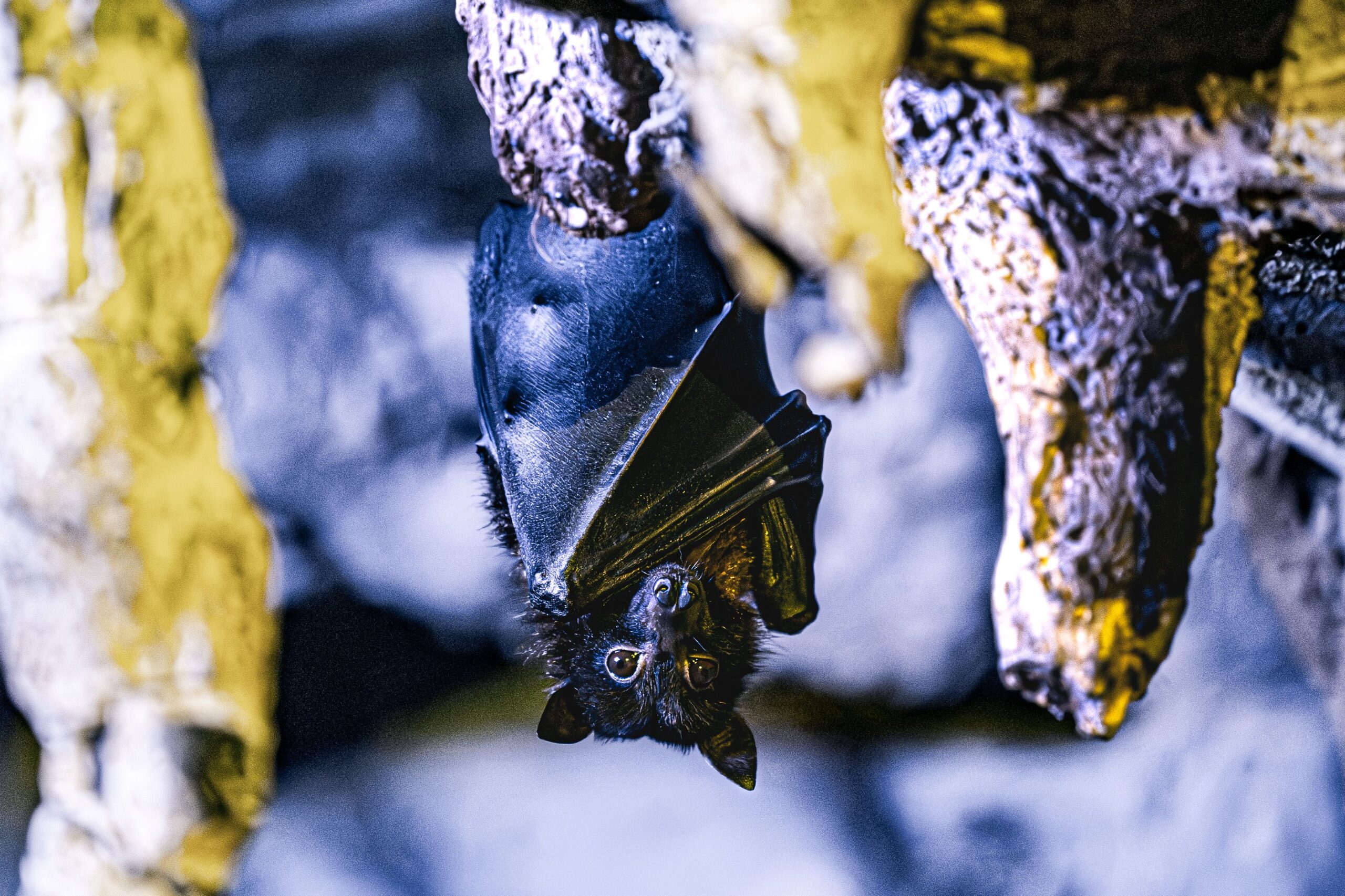
The animal at the center of it is the common vampire bat (Desmodus rotundus), the main source of rabies outbreaks in livestock throughout the region and a recurring threat to people, who are occasionally bitten while they sleep. Between August 2014 and August 2016, the regional government of Apurimac, in southern Peru, ran a coordinated cull across dozens of districts in a corner of the country that carries an outsized share of its livestock rabies. A team of researchers tracked what happened and published the results on 10 March 2023 in the journal Science Advances.
The cull thinned the bats without clearing them out. Trained technicians surveyed hundreds of farms every month and recorded how many animals showed up with fresh bat bites, which works as a running gauge of how many bats are around. Bites fell while the poisoning was underway, so the campaign was doing something. Yet in the final three months of the two-year effort, 59% of farms still reported at least one bitten animal. The bat population had been dented, not emptied out.
Rabies in cattle barely noticed. The researchers fed sixteen years of laboratory-confirmed livestock rabies deaths, spanning the years before, during and after the campaign, into a statistical model that also accounted for outbreaks that never get reported. Culling a district had no detectable effect on the number of rabies outbreaks in that district. Culling in neighboring districts, if anything, nudged the odds of an outbreak slightly upward.
The virus traveled faster out of the places where bats had been killed. To trace where rabies actually went, the team sequenced whole genomes of viruses recovered from banked livestock brain samples going back to the late 1990s, then applied phylogeography, a method that reads a virus family tree against the map to reconstruct the routes and the speed of its spread. The picture split cleanly in two. Where bats had been culled before the virus showed up, invasions crept in at a median of about 4.11 kilometers per year (2.6 miles). Where bats were culled in areas the virus had already reached, it left at roughly 7.4 kilometers per year (4.6 miles), close to twice the pace.
Disturbed bats appear to take the virus with them. Vampire bats are notoriously sensitive to being handled, and often abandon a roost for a while after capture. Rabies, meanwhile, incubates for weeks or months, long enough for a bat infected in one valley to settle and die in the next one. Killing part of a colony, the authors suggest, scatters infected survivors the way stamping on a campfire scatters embers. Biologists call this kind of backfire a “perturbation effect”, and hard evidence for it in wildlife is rare. The clearest previous example is the culling of badgers for bovine tuberculosis in the United Kingdom.
The study has real limits, and the authors flagged them. Culls are run for management, not for research, so there was no randomly assigned control region and no second campaign to compare against. The viral sequences stop in 2016, the last year of the cull, so any spread out of the treated areas after that is simply invisible here. The drop in bat numbers was also modest, which the researchers noted could reflect bats rapidly recolonizing emptied roosts or a poison that underperformed. What the data supports is a strong association between reactive culling and faster viral movement, not a proven chain of cause and effect.
Timing may matter more than body count. The one setting where the killing seemed to help was ahead of the virus rather than behind it, which is the opposite of how culls are usually triggered in practice, once cattle start dying. The authors argue that reactive culling should be avoided, and point instead to reproductive suppression and self-spreading vaccines aimed at the bats themselves, tools that would also sidestep the animal welfare and conservation problems of poisoning a wild population. Whether any of them can outrun a virus that has spent decades learning to travel is the question waiting for the next field trial.
Source: Viana M, Benavides JA, Broos A, et al. “Effects of Culling Vampire Bats on the Spatial Spread and Spillover of Rabies Virus,” published in Science Advances on 10 March 2023. DOI: 10.1126/sciadv.add7437
This article summarizes published scientific research for general information. It is not medical advice and does not replace consultation with a qualified health professional.