 Editorial NexoScience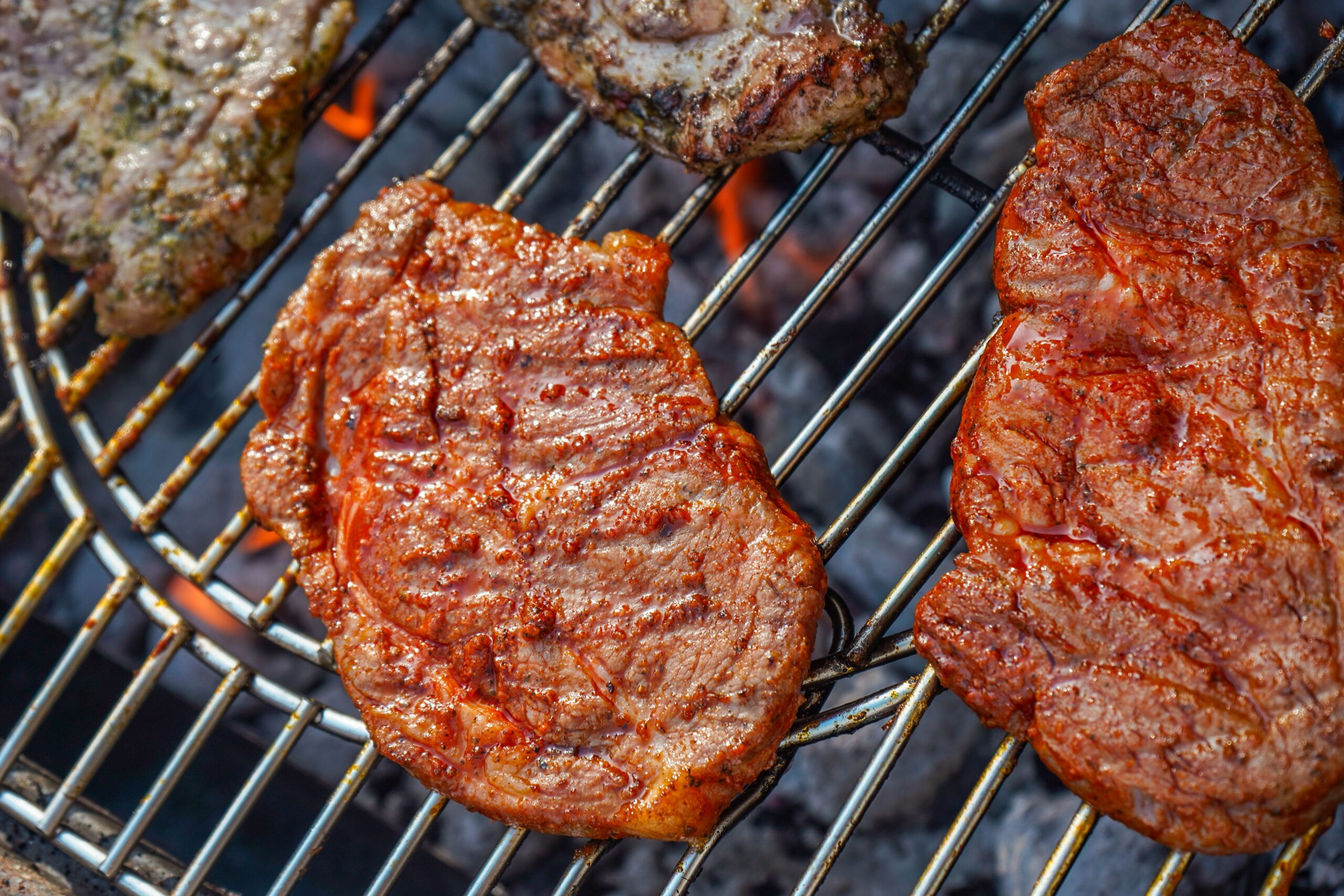
A steak charring on the grill until the edges blacken and the juices pool on the coals. That image sits behind one of nutrition’s most repeated warnings: eating red meat is supposed to shorten your life. Dozens of observational studies have linked it to heart disease, cancer, and earlier death, and public health guidelines routinely tell people to cut back. An analysis, however, suggests that warning rests on much shakier ground than most headlines admit.
The problem starts with how nutrition studies get their numbers. Researchers studying diet rarely run a single, pre-registered analysis the way a clinical trial does. Instead, they choose from dozens of defensible options at every step: which statistical model to use, which variables to adjust for, how to define “red meat” itself, which subgroups to examine. Each of those choices is reasonable on its own, but different combinations can push the same dataset toward opposite conclusions. Scientists call this “analytic flexibility,” and it is a well documented problem across nutritional epidemiology.
A team of researchers based at McMaster University and Harvard set out to measure exactly how much that flexibility matters for one specific, contentious question: does eating unprocessed red meat raise the risk of dying from any cause. They used a method called specification curve analysis, sometimes called a multiverse analysis, which does not pick one model and report its result. Instead, it runs every plausible model at once and looks at the whole distribution of answers.
The team built its list of reasonable methods from the published literature itself. They reviewed 15 earlier studies covering 24 cohorts that had already examined red meat and mortality, cataloguing every analytic choice those studies had actually made, from the type of regression model to the exact set of covariates. That earlier literature, taken at face value, leaned toward red meat being harmful: reported effect estimates ranged from 0.63 to 2.31, with a median hazard ratio of 1.14, meaning a 14% higher risk of death in a typical published result.
Applying that same menu of choices to a single, consistent dataset produced a very different picture. The researchers analyzed data from 10,661 adults in the National Health and Nutrition Examination Survey, tracked for mortality through the National Death Index. Instead of one model, they ran 1,208 distinct, individually justifiable analyses.
Most of those analyses landed close to no effect at all. The median hazard ratio across all 1,208 specifications was 0.94, with results ranging as widely as 0.51 to 1.75 depending purely on which reasonable choices were made. Only 48 specifications, under 4% of the total, reached statistical significance, and they split in both directions: 40 suggested red meat modestly lowered mortality risk, eight suggested it raised it. Formal statistical tests confirmed that, taken together, the full set of results was not distinguishable from what would be expected if red meat had no effect on mortality at all.
A modest split by sex was the one pattern that held up. Models restricted to women skewed toward a protective association, with a median hazard ratio of 0.85, while models restricted to men clustered close to 1.05, essentially flat. The authors are careful not to oversell that difference. It emerged from an exploratory look at one dataset, not a hypothesis the study was designed to test, and it would need to be confirmed independently before it changes anyone’s advice.
The authors are also explicit that their goal was never to deliver a final verdict on red meat. Put in plain terms, this is a proof-of-concept study demonstrating that specification curve analysis works in nutrition research, using red meat and mortality as a real-world test case precisely because it is contentious and well studied. The wide spread of results is itself the finding, a warning about how much a single study’s conclusions can depend on invisible analytic choices, not new dietary advice.
Correlation, not causation, still applies here. Even the individual specifications inside this analysis are observational, drawn from self-reported dietary recalls in a cross-sectional survey. None of them can establish that red meat directly causes, or fails to cause, earlier death. What the study does show is that a field capable of producing wildly different answers to the same question from the same underlying data deserves more scrutiny before its findings get turned into blanket dietary rules.
Source: Wang Y, Pitre T, Wallach JD, de Souza RJ, Jassal T, Bier D, Patel CJ, Zeraatkar D. “Grilling the data: application of specification curve analysis to red meat and all-cause mortality.” Journal of Clinical Epidemiology, 2024. DOI: 10.1016/j.jclinepi.2024.111278.
This article summarizes published scientific research for general information. It is not medical advice and does not replace consultation with a qualified health professional.