 Editorial NexoScience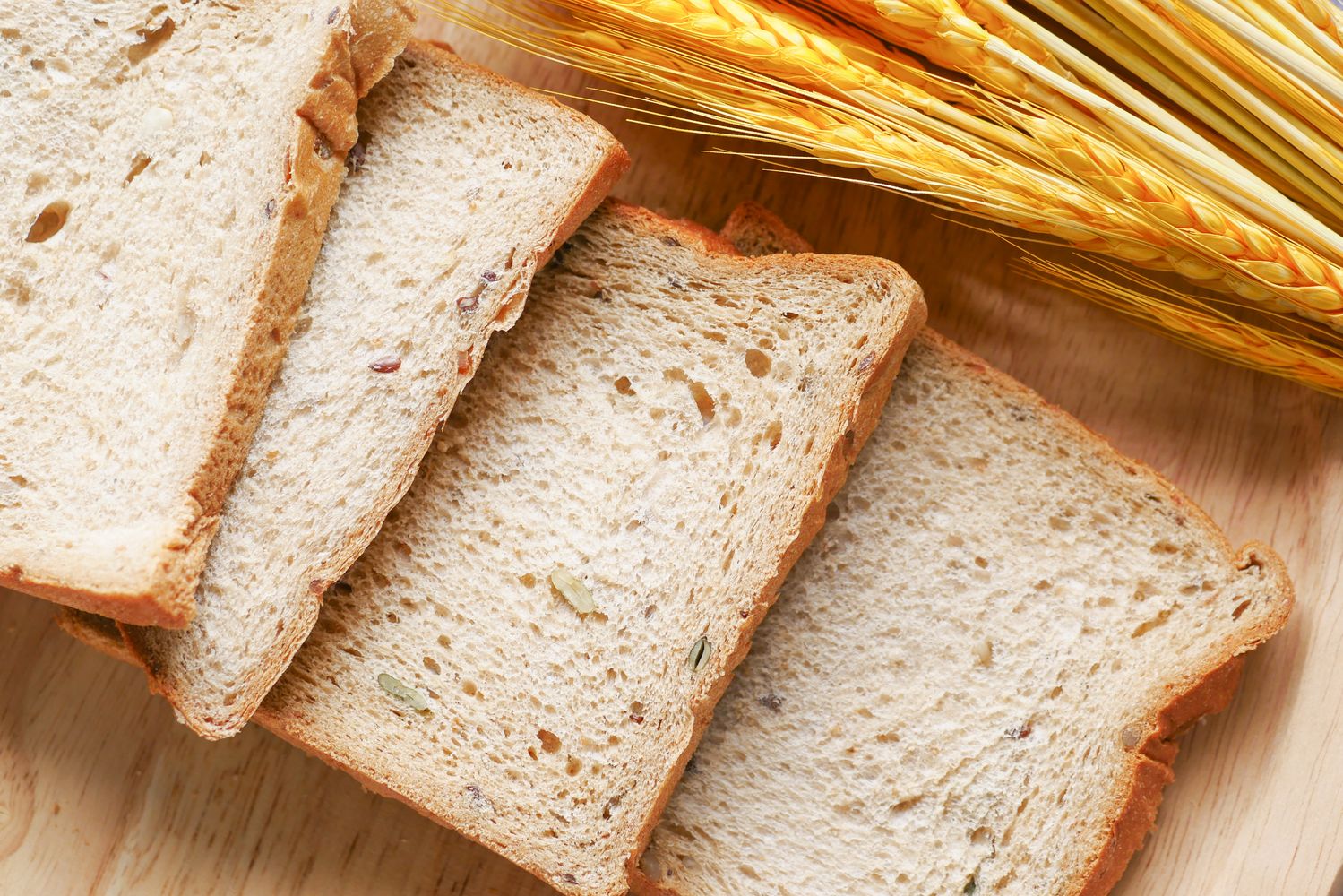
How many slices of whole grain bread would it take to buy yourself a few extra years of life? That is essentially the question one of the largest reviews on the topic set out to answer, pooling data from 45 prospective studies and 64 separate publications tracking millions of person years across multiple countries.
Three servings a day is the number that kept showing up. For every 90 grams of whole grain eaten daily, roughly two slices of whole grain bread plus a bowl of whole grain cereal, or a serving and a half of whole wheat pita, researchers found a 19% lower risk of coronary heart disease (a relative risk of 0.81), a 22% lower risk of cardiovascular disease overall (0.78), and a smaller, statistically uncertain 12% dip in stroke risk (0.88, with a confidence interval that just touched the no effect line).
The benefit was not limited to the heart. People with the highest whole grain intake also had a 17% lower risk of dying from any cause (0.83), a 15% lower risk of dying from cancer (0.85), a 22% lower risk of dying from respiratory disease (0.78), and a 26% lower risk of dying from an infection (0.74), all per the same 90 gram daily increase.
Not every link held up under scrutiny. For diabetes deaths, the relative risk dropped to 0.49, but with only 4 studies and a confidence interval reaching up to 1.05, that reduction cannot be called statistically solid. For deaths from neurological disease, based on just two studies, the result (1.15, ranging from 0.66 to 2.02) showed no clear pattern at all, if anything trending in the opposite direction. The authors themselves flag this as needing more data, not as an established finding.
More was not endlessly better. The benefit kept accumulating up to an intake of about 210 to 225 grams a day, seven to seven and a half servings, for most outcomes. Beyond that point, eating still more whole grain did not appear to lower risk any further, suggesting a ceiling rather than a straight line.
Not all grains carried the same weight. Whole grain bread, whole grain breakfast cereals, and added bran were each independently linked to lower cardiovascular and all cause mortality risk, while refined grains, white rice, total rice, and total grain intake, which lumps in refined grains, showed little to no association. It is the whole part of whole grain that seems to matter, not grain consumption in general.
None of this proves that bread and cereal alone add years to your life. All 45 studies were observational cohorts, meaning they show correlation, not a controlled experiment. People who eat more whole grains also tend to exercise more, smoke less, and eat a healthier diet overall, and while the researchers statistically adjusted for many of these factors, residual confounding cannot be fully ruled out. Still, the consistency across nearly four dozen independent studies, and the clear dose response gradient, are the kind of pattern that is hard to explain away as coincidence.
Fuente: Aune D, Keum N, Giovannucci E, Fadnes LT, Boffetta P, Greenwood DC, Tonstad S, Vatten LJ, Riboli E, Norat T. Whole grain consumption and risk of cardiovascular disease, cancer, and all cause and cause specific mortality: systematic review and dose-response meta-analysis of prospective studies. BMJ. 2016;353:i2716. DOI: 10.1136/bmj.i2716.
This article summarizes published scientific research for general information. It is not medical advice and does not replace consultation with a qualified health professional.