 Editorial NexoScience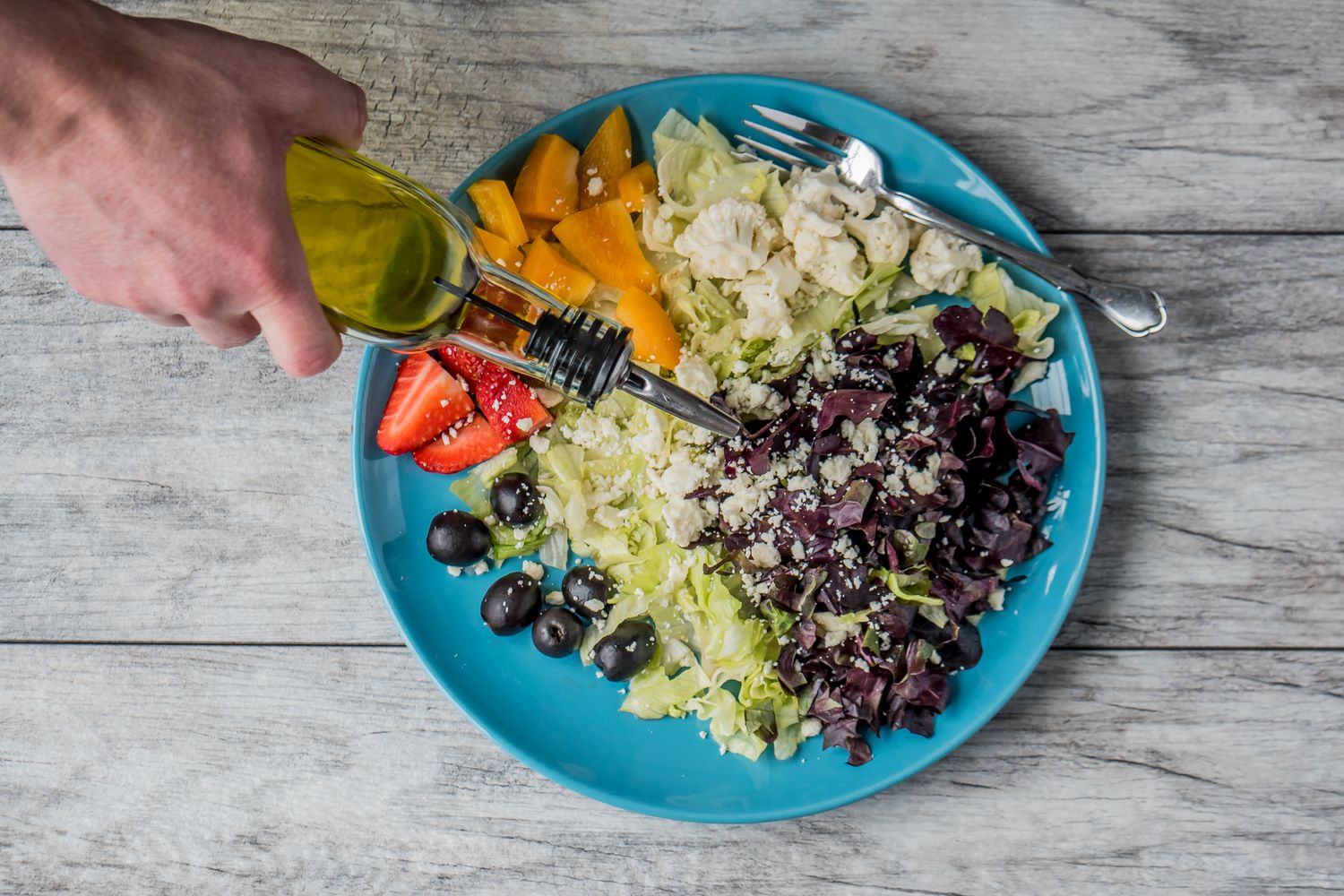
Olive oil poured over a plate of greens. A fillet of grilled fish instead of a burger. A handful of walnuts instead of a bag of chips. It sounds like fairly ordinary advice for a healthy heart, but a growing body of research suggests the same plate might be quietly protecting something else too: your brain.
A new meta-analysis, published in the journal GeroScience, has put hard numbers on something nutritionists have suspected for years. People who stick closely to a Mediterranean-style diet show a meaningfully lower risk of cognitive decline, dementia, and Alzheimer’s disease. In the most striking of the three findings, the risk of developing Alzheimer’s specifically dropped by 30% among the most diet-adherent groups.
The stakes behind that number are large. Age-related cognitive impairment and dementia already represent a major global health and economic burden, and the population affected is expected to double by 2030 and triple by 2050 as the world’s population ages. Alzheimer’s disease has long been treated as the main culprit, but researchers now estimate that vascular cognitive impairment and dementia, tied to poor blood flow and blood vessel health in the brain, accounts for close to half of all dementia cases, often overlapping with Alzheimer’s in the same patient.
Researchers combined data from 23 separate studies to reach these numbers. The team, led by Mónika Fekete at Semmelweis University in Hungary, searched the scientific literature published between 2000 and 2024, ultimately screening 324 full-text papers before settling on the 23 that met their criteria. Using a random-effects statistical model, they calculated pooled hazard ratios, a measure of how much more or less likely an outcome is in one group compared to another, for three separate outcomes: general cognitive decline, dementia of any kind, and Alzheimer’s disease specifically.
The results, broken down by outcome, tell a consistent story. For cognitive decline, drawn from 13 studies, the hazard ratio was 0.82, meaning people who closely followed the Mediterranean diet slowed their rate of cognitive decline by about 18%. For dementia broadly, based on 10 studies, the hazard ratio was 0.89, an 11% risk reduction. And for Alzheimer’s disease specifically, calculated from nine cohorts, the hazard ratio dropped to 0.70, the 30% reduction mentioned above and the largest effect of the three.
The protective effect likely comes down to what is actually on the plate. The Mediterranean diet is built around vegetables, fruits, whole grains, legumes, fish, nuts, and olive oil, and is notably light on red meat and saturated fat. Many of those foods are rich in polyphenols and other antioxidant compounds that reduce inflammation and oxidative stress, two processes closely linked to both Alzheimer’s and vascular brain damage. Extra virgin olive oil in particular contains a compound called oleocanthal, which laboratory studies have shown can interfere with the clumping of amyloid-beta, the sticky protein fragments that build up into the plaques considered a hallmark of Alzheimer’s disease. Omega-3 fats from fish and nuts, meanwhile, appear to support blood flow to the brain and dial down neuroinflammation.
None of this proves that the diet alone causes lower dementia risk. Nearly all of the studies included were observational, meaning they tracked what people already ate and what happened to their cognitive health over time, rather than randomly assigning some participants to follow the diet and others not to. That design cannot rule out confounding factors: people who eat this way often also exercise more, smoke less, and have stronger social ties, any of which could independently support brain health. The authors also flagged real statistical heterogeneity between studies (up to 66% for the dementia analysis) and, for two of the three outcomes, an asymmetry in the data that can be a sign of publication bias, meaning studies with disappointing results may be less likely to get published in the first place. The researchers themselves call for randomized controlled trials to confirm a direct causal link.
Taken together, the findings do not amount to a cure or a guarantee. But they add fairly solid weight to a simple, low-risk piece of advice: more vegetables, whole grains, fish, and olive oil, less red meat and processed food, applied consistently over years rather than as a short-term fix. For a disease with no cure and rising global prevalence, a diet people already know how to cook is a low bar to clear for a potential 30% difference.
Source: Fekete M, Varga P, Ungvari Z, et al. “The role of the Mediterranean diet in reducing the risk of cognitive impairment, dementia, and Alzheimer’s disease: a meta-analysis.” GeroScience, 2025. DOI: 10.1007/s11357-024-01488-3.
This article summarizes published scientific research for general information. It is not medical advice and does not replace consultation with a qualified health professional.