 Editorial NexoScience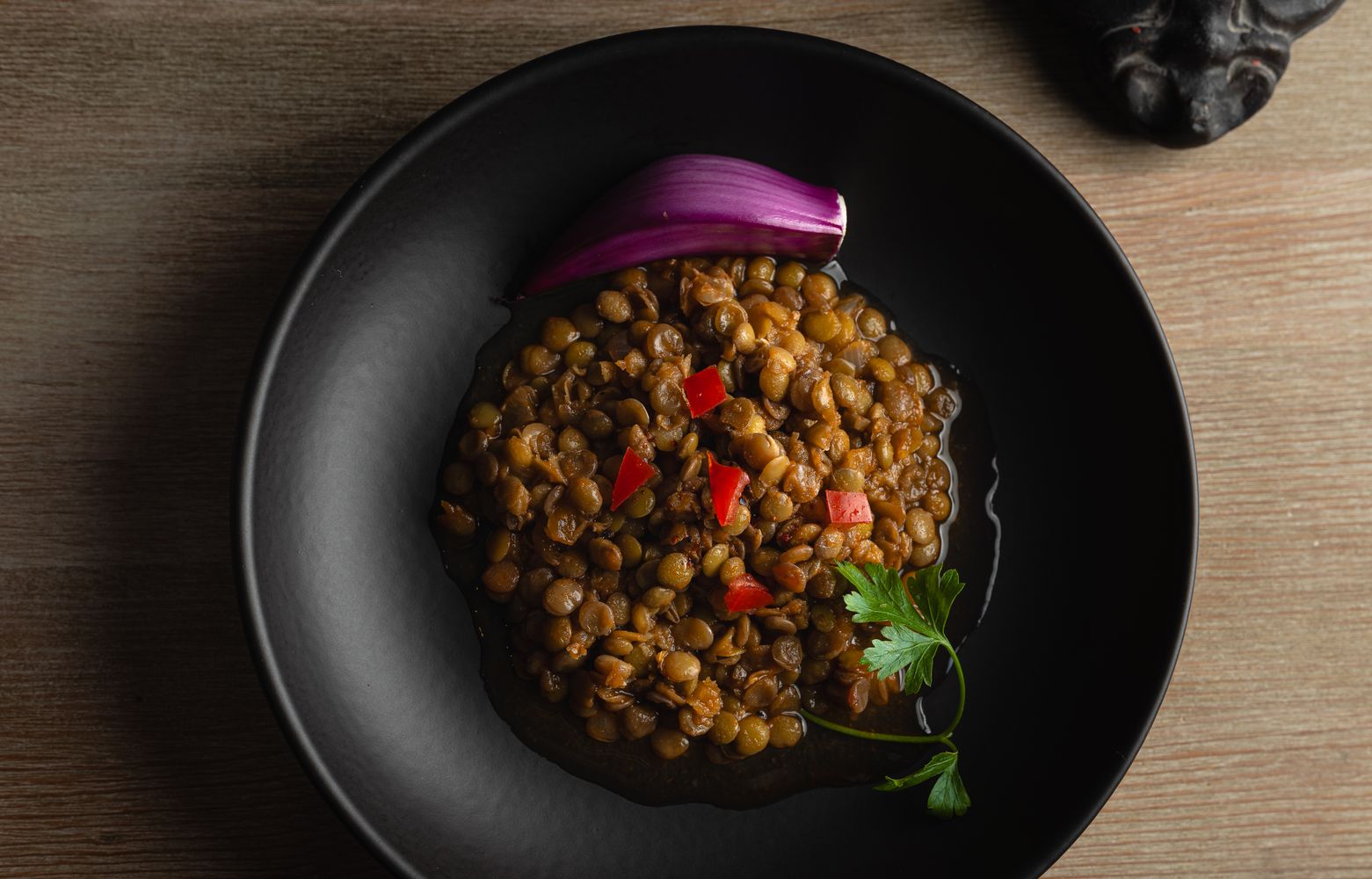
Your gut bacteria are quietly shaping your mood, whether you realize it or not. Trillions of microbes living in your intestines talk to your brain constantly, and one of the main things they feed on is fiber.
Researchers in Australia and Ireland set out to see whether that connection actually shows up in the numbers. They pulled together every relevant study they could find, from large population surveys to controlled clinical trials, covering more than 182,000 people in total, and asked a simple question: does eating more fiber, or taking a fiber supplement, actually change how anxious or depressed someone feels.
The population data points one way. Across 23 observational studies with 181,405 participants, people who ate more fiber reported meaningfully fewer symptoms of depression and anxiety. The effect was small but consistent: in studies that captured a single snapshot in time, higher fiber intake was linked to a small drop in depressive symptoms and a somewhat larger drop in anxiety symptoms. Three longer studies that tracked the same people for three to seventeen years found the same inverse pattern for depression, which at least rules out the idea that the link only shows up when you ask everyone the same day.
Then the controlled trials tell a different story. Ten randomized trials, all using fiber supplements rather than real food, tested whether adding fiber actually improved mood compared with a placebo. Across 740 participants, fiber supplementation did not produce a statistically significant improvement in either depression or anxiety symptoms. The trials lasted just two to eight weeks, far shorter than the six to twelve weeks typically used to test antidepressant drugs, which may have been too short a window to catch a real effect even if one exists.
One specific type of fiber stood out. When the researchers broke the supplement trials down by fiber type, galacto-oligosaccharides, a prebiotic fiber known to boost beneficial gut bacteria like Bifidobacterium, showed a real reduction in anxiety symptoms compared with placebo. Fructans, the other major prebiotic fiber tested, showed no such effect. Only three trials tested galacto-oligosaccharides specifically, so the researchers are cautious about reading too much into it, but it lines up with lab evidence that this particular fiber does more to reshape gut bacteria than others.
The mechanism has a plausible biological story behind it. Fiber that resists digestion in the small intestine gets fermented by bacteria in the colon, producing short-chain fatty acids and feeding species like Bifidobacterium and Lactobacillus. Those bacteria, in turn, can influence inflammation throughout the body and produce or trigger neurotransmitters such as GABA and serotonin, both central to mood regulation. People with depression and anxiety tend to show a gut microbiome shifted toward more inflammatory bacteria, which is the physiological thread this line of research is trying to pull on.
Correlation is not the same as proof, and the authors say so directly. Almost none of the observational studies could rule out the possibility that the relationship runs backward, that feeling depressed changes what people eat rather than the other way around. Most participants in both the surveys and the trials were healthy adults, not people with a clinical diagnosis, and only one of the ten randomized trials included anyone formally diagnosed with depression. That leaves a real gap between “more fiber correlates with less anxiety in the general population” and “fiber treats depression,” and the study’s own authors are explicit that the second claim is not supported yet.
Food and supplements may simply not be the same intervention. Every single randomized trial in this analysis tested an isolated fiber supplement, never a genuine shift toward a higher fiber diet through food. A bowl of lentils or a plate of vegetables delivers dozens of different fiber types along with polyphenols, vitamins and other compounds that a single supplement cannot replicate, so the researchers argue that whole-diet changes remain an open and probably more promising question that this data cannot yet answer.
Source: Aslam, H., Lotfaliany, M., So, D., Berding, K., Berk, M., Rocks, T., Hockey, M., Jacka, F.N., Marx, W., Cryan, J.F., Staudacher, H.M. “Fiber intake and fiber intervention in depression and anxiety: a systematic review and meta-analysis of observational studies and randomized controlled trials.” Nutrition Reviews, 2024. DOI: 10.1093/nutrit/nuad143.
This article summarizes published scientific research for general information. It is not medical advice and does not replace consultation with a qualified health professional.