 Editorial NexoScience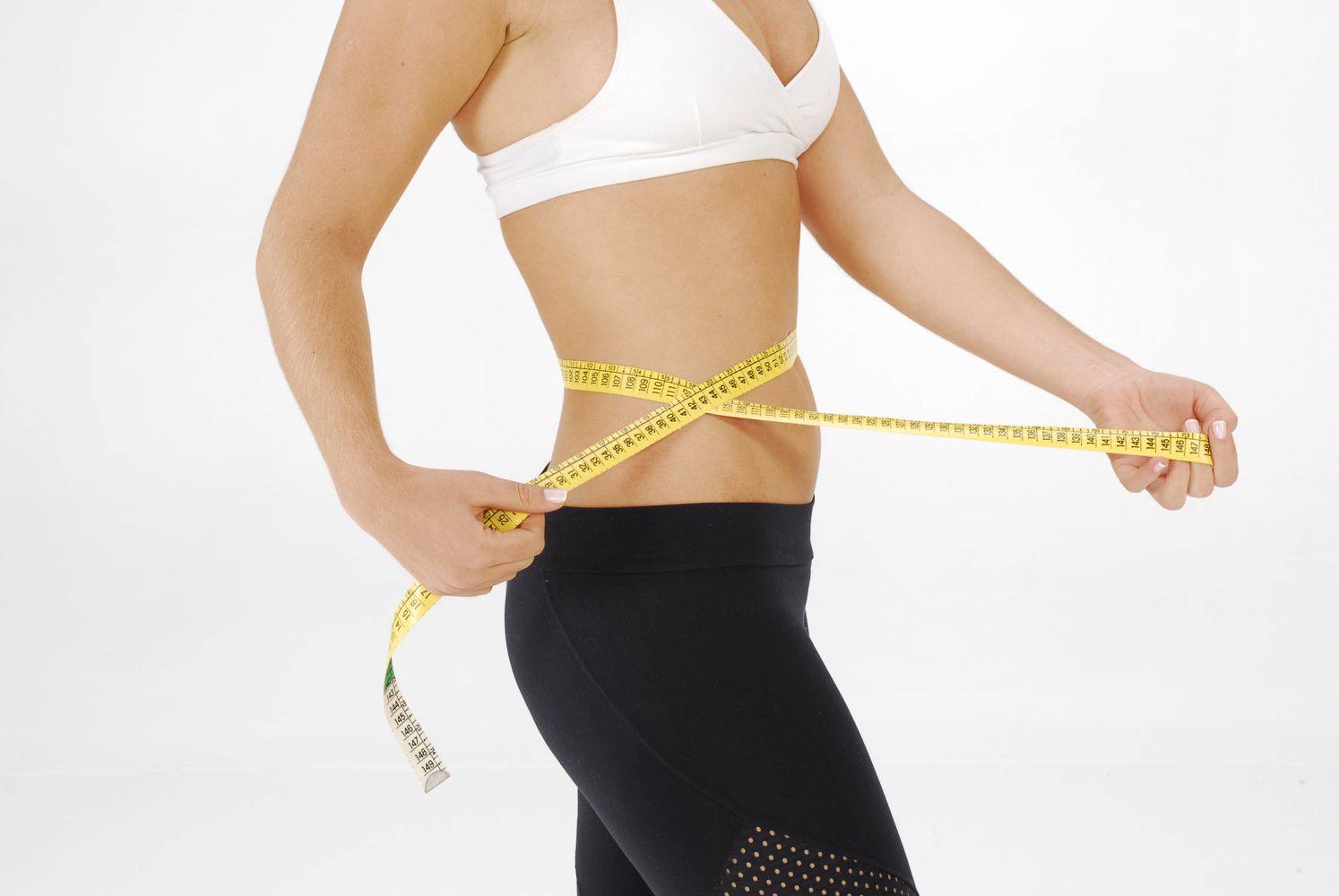
Which works better for shrinking the fat around your organs: eating less, or moving more? For decades, doctors have recommended both diet and exercise in the same breath, as if they were interchangeable tools against obesity. A new investigation of 40 randomized controlled trials, published in the British Journal of Sports Medicine, suggests they are not.
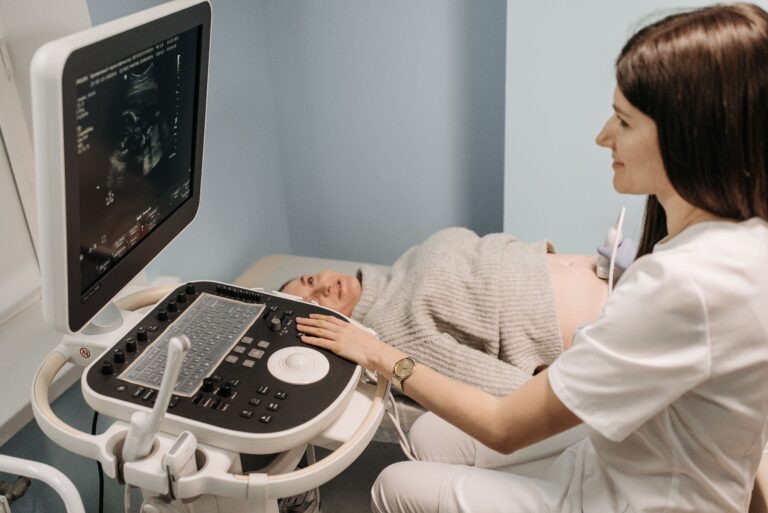
Researchers from the University of Hong Kong and the Chinese University of Hong Kong pulled together data from 2,190 adults with overweight or obesity, across studies conducted in the United States, Asia and Europe. Every included trial measured visceral fat directly with CT or MRI scans, the two gold standard methods, rather than relying on less precise measures like waist size or body weight alone.
Both strategies worked, but only one scaled with effort. Exercise reduced visceral fat with an effect size of −0.28 compared with non-exercising control groups, while caloric restriction produced an even larger drop of −0.53. On the surface, that makes dieting look like the stronger tool. But when the researchers dug into how the size of the calorie deficit affected the results, only exercise showed a true dose response: for every additional 1,000 calories burned per week, visceral fat dropped further, by an effect size of −0.15. Caloric restriction showed no such pattern. Cutting more calories did not reliably shrink more visceral fat, with an effect size of just 0.03 that was not statistically significant.
The comparison held up even after directly pitting the two strategies against each other. When the team controlled for the exact weekly energy deficit, whether it came from burning more or eating less, exercise still came out ahead, with a superior dose response effect (−0.18) over caloric restriction.
Waist circumference told a more encouraging story for dieters. Both exercise and caloric restriction produced dose dependent reductions in waist size, with caloric restriction trimming an average of 4.67cm and exercise 3.15cm. That is a useful reminder that visceral fat and waist size, while related, are not perfectly interchangeable measurements, something the authors and outside experts have flagged before.
Why would exercise beat dieting for this specific kind of fat? The study’s authors point to a likely explanation: exercise appears to burn fat while helping preserve muscle mass, whereas caloric restriction tends to reduce both fat and muscle together. Since muscle plays a role in regulating how many calories the body burns at rest, that difference could compound over time. Individual metabolic adaptations to low calorie diets, which vary widely from person to person, may also blunt the effect of cutting calories on visceral fat specifically.
The authors are careful to note real limitations. Far more data exists for exercise, 46 comparisons across 26 studies, than for caloric restriction, just 16 comparisons from 15 studies, so the lack of a dose response for dieting could partly reflect a smaller and less statistically powered dataset rather than a true absence of the effect. Most of the included trials also carried a moderate risk of bias, mainly from issues around dropout rates and blinding, and the researchers rate their overall confidence in both findings as moderate rather than definitive.
None of this means dieting is pointless. Caloric restriction still meaningfully reduced visceral fat on its own, just without a clear more equals better relationship in this dataset. What the findings do suggest is that if visceral fat, the kind wrapped around internal organs and most strongly linked to heart disease, diabetes and other metabolic conditions, is the specific target, adding more exercise volume appears to be the more reliable lever to pull, rather than cutting calories more aggressively.
This article is based on the peer reviewed study “Dose-response effects of exercise and caloric restriction on visceral adiposity in overweight and obese adults: a systematic review and meta-analysis of randomised controlled trials,” by Francesco Recchia and colleagues, published in the British Journal of Sports Medicine in 2023. DOI: 10.1136/bjsports-2022-106304.
This article summarizes published scientific research for general information. It is not medical advice and does not replace consultation with a qualified health professional.