 Editorial NexoScience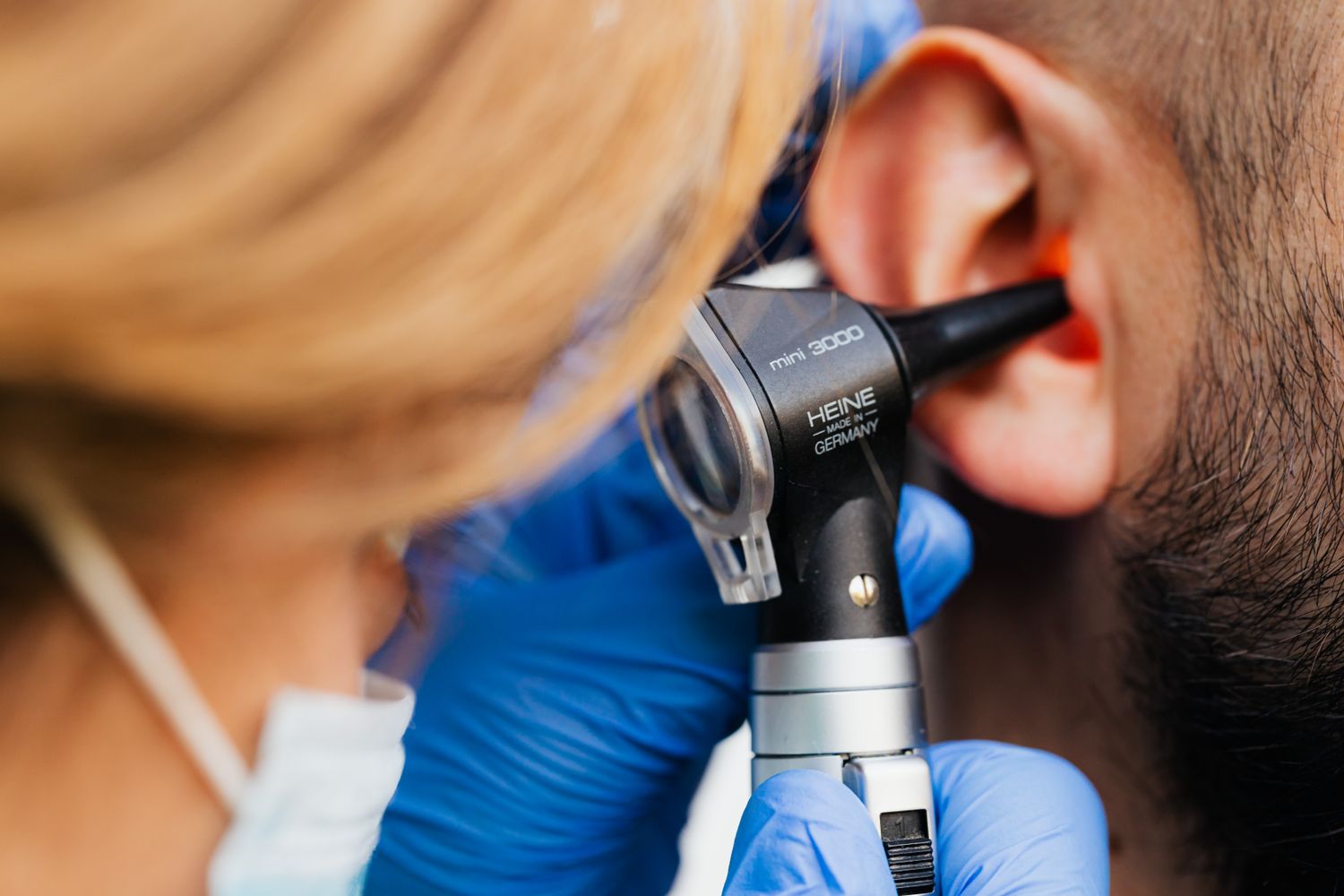
Diabetes has a familiar list of long-term complications: damage to the eyes, the kidneys, the nerves. Your ears rarely make that list. A new systematic review and meta-analysis, published in Diabetes/Metabolism Research and Reviews, argues that leaving them off is a mistake. Researchers from the University of Queensland and Monash University in Australia, together with colleagues in Pakistan, pooled data from 29 studies and found that people with diabetes carry a hearing loss burden most patients never see coming.
The numbers are large enough to take seriously. The team searched five databases, PubMed, Scopus, Web of Science, SPORTDiscus and CINAHL, covering studies published between 2000 and 2025, and pre-registered their protocol with PROSPERO before starting. Out of 3,490 records screened, 29 studies met the quality bar. Pooling 23 of them, covering 5,221 people, the moderate to severe hearing loss rate (a level where following a conversation gets genuinely hard) came out to 24%. Put plainly: roughly one in four adults with diabetes.
Having diabetes roughly doubles the odds of hearing loss. Across 11 studies that directly compared diabetic and non-diabetic adults, the odds of moderate to severe hearing loss were 2.41 times higher in people with diabetes (95% confidence interval: 1.62 to 3.60). That is a substantial jump for a complication that almost never comes up in a routine diabetes checkup.
The risk is actually higher in younger adults. This is the part that breaks the usual assumption. In people under 60, diabetes tripled the odds of hearing loss (OR 3.03). In people 60 and older, the link was weaker and not statistically significant (OR 1.52). If diabetes related hearing loss were simply age related decline arriving on schedule, you would expect the opposite pattern. Instead it looks like diabetes itself is accelerating damage that shows up well before old age would otherwise explain it.
Where you live changes the picture dramatically. In low and middle income countries, diabetes was linked to a 4.51 times higher risk of hearing loss. In high income countries, the increase was smaller, 1.78 times. The authors point to likely explanations: less access to glycemic control, more occupational noise exposure and less access to audiological care in lower income settings, though the review could not test these explanations directly.
Even a relatively short time with diabetes seems to matter. People who had lived with diabetes for less than 10 years already showed 2.68 times higher odds of hearing loss. Only one study looked at 10 or more years of diabetes duration (with a higher estimate, OR 4.57), too little data to draw a firm conclusion about whether the risk keeps climbing the longer someone has the disease, but enough to suggest hearing loss is not something that only shows up decades in.
The likely explanation is damage to tiny blood vessels and nerves inside the ear. Chronically high blood sugar is already known to damage small blood vessels in the eyes and kidneys. The same process, researchers explain, appears to reach the cochlea: microangiopathy, oxidative stress and nerve damage combine to injure the inner ear’s sensory structures, producing sensorineural hearing loss over time.
This is mostly correlation, not a controlled experiment, and the authors are upfront about it. Almost all the included studies are cross-sectional, meaning they measured hearing at a single point in time rather than tracking people over years, which makes it impossible to prove diabetes directly causes hearing loss rather than simply appearing alongside it. The analysis also detected signs of publication bias (Egger’s test, p = 0.019), suggesting small studies with negative results may be underrepresented, though the researchers say their main findings held up in sensitivity checks. Data on prediabetes specifically came from a single study, too little to draw conclusions about that earlier stage.
The practical takeaway: hearing checks belong in diabetes care. The authors are not suggesting people panic about their hearing. They are suggesting something far more mundane and, they argue, overdue: audiometric screening, a cheap, low-effort test, should become a routine part of managing diabetes, the same way eye and kidney checks already are, especially for younger patients and in places where access to hearing care is limited.
Source: Nisar M, Karatela S, Rajagopal A, Ahmed BN, Dawes P. “Hearing Loss in Adults With Diabetes and Prediabetes: A Systematic Review and Meta-Analysis.” Diabetes/Metabolism Research and Reviews, 2026. DOI: 10.1002/dmrr.70195.
This article summarizes published scientific research for general information. It is not medical advice and does not replace consultation with a qualified health professional.