 Editorial NexoScience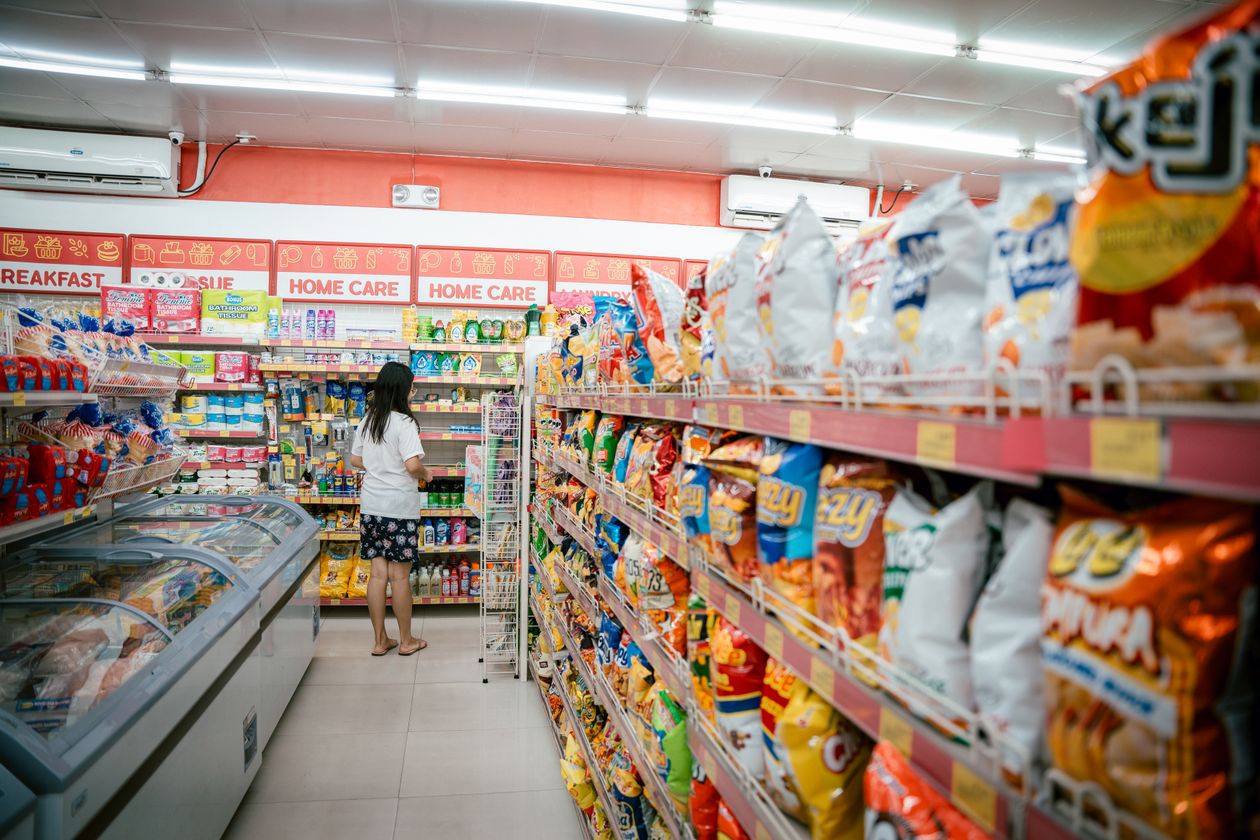
One can of soda a day. That’s the exact line, according to science, where ultra-processed food starts driving up your risk of type 2 diabetes.
A South Korean team reviewed 12 cohort studies covering 714,199 participants and 38,308 diabetes cases, published in Diabetes & Metabolism Journal. The risk doesn’t climb in a straight line, there’s a threshold. Below roughly 300 grams of ultra-processed food a day, risk barely budges, but past that point the curve shoots up to a relative risk of 1.48 at the highest consumption level.
To picture what 300 grams looks like: a sweetened yogurt, two slices of industrial white bread, a small bag of salty snacks and a soda already come close to that number without the day feeling especially “bad.”
Not all ultra-processed foods carry equal weight. The subgroup analysis found sugary drinks and processed meats push risk up the most, while breakfast cereals and industrial breads showed, surprisingly, an inverse association, people who ate more of them within the sample had somewhat lower risk, likely because they were displacing worse options in people’s actual diets.
The authors searched PubMed, Embase and the Cochrane Library for prospective studies measuring ultra-processed food intake and later type 2 diabetes diagnoses, applying a dose response model to estimate risk at every consumption level, not just comparing extremes.
It’s an association, not definitive proof of causation. These are observational studies: people who eat a lot of ultra-processed food tend to also have other habits (less exercise, worse sleep, more sedentary time) that the studies try to statistically adjust for but never fully eliminate. Still, consistency across 12 different cohorts and a clear dose response relationship make it hard to dismiss the finding as coincidence.
The 300 gram figure isn’t a personalized medical prescription, it’s a statistical inflection point in population data. But as a practical guide, watching how much ultra-processed food (especially sugary drinks and processed meat) makes it into your day looks more useful than simply counting calories.
Source: Kim Y, Cho Y, Kim JE, Lee DH, Oh H. “Ultra-Processed Food Intake and Risk of Type 2 Diabetes Mellitus: A Dose-Response Meta-Analysis of Prospective Studies.” Diabetes & Metabolism Journal, 2025. DOI: 10.4093/dmj.2024.0706.
This article summarizes published scientific research for general information. It is not medical advice and does not replace consultation with a qualified health professional.