 Editorial NexoScience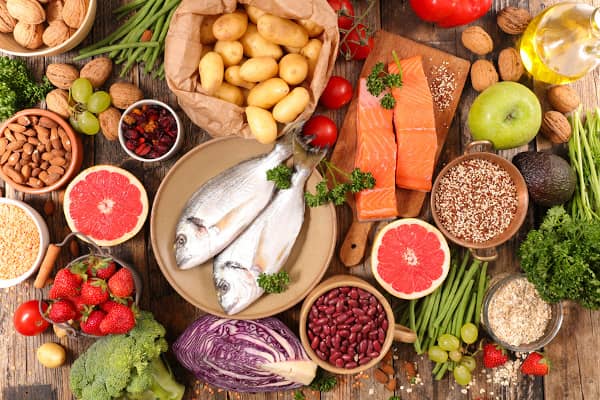
You’ve probably heard a thousand times that olive oil, legumes and fish are good for your heart. But did you know that what you put on your plate could be the key to feeling more vital, with less pain and more happiness day to day? A recent, thorough scientific analysis has confirmed that the Mediterranean diet isn’t just a regimen for preventing heart attacks, it’s a genuine tool for improving our quality of life.
In a world where life expectancy keeps climbing, the real challenge is no longer just adding years to the calendar, it’s making those years count. That’s where “health related quality of life” comes in, a concept scientists use to measure how we feel physically, mentally and socially. And according to the data, the Mediterranean has the answer.
Beyond the arteries. Until recently, science focused on how the Mediterranean diet reduced the risk of serious diseases like diabetes or certain cancers. But researchers have started noticing that people who follow this eating pattern aren’t just “healthier” on paper, they report greater satisfaction with their daily lives.
A close look at thousands of lives. To settle the question, an international team of scientists carried out a systematic review, recently published in the journal Nutrients, analyzing 46 previous studies involving thousands of people across different countries. The goal was clear: is there a real relationship between eating Mediterranean style and feeling better?
The researchers didn’t just look at healthy members of the general population, they also included patients with chronic conditions like diabetes, cancer, multiple sclerosis and inflammatory diseases, using scientifically validated tools to measure both diet adherence and participants’ perceived wellbeing.
A boost for body and mind. The findings are striking. The vast majority of studies analyzed showed a significant association: the closer someone stuck to the Mediterranean diet, the better their quality of life.
What’s most surprising is that the strongest benefits showed up in the physical domain. People who regularly eat fruits, vegetables, whole grains and healthy fats report higher vitality, better physical functioning and, importantly, lower perceived pain.
But it doesn’t stop there. On the mental side, many participants also showed greater emotional resilience and better social functioning. In patients with chronic diseases like multiple sclerosis or type 2 diabetes, following this diet was linked to slower disability progression and greater overall wellbeing.
The biology behind the benefits. How can a handful of walnuts or a splash of olive oil change how we feel? Scientists point to a few fascinating biological mechanisms: the diet is rich in antioxidants and polyphenols that fight oxidative stress, a kind of cellular “rust” that damages our cells and speeds up aging. Many Mediterranean foods, especially those rich in omega-3s like fish and seeds, have anti-inflammatory properties, and chronic inflammation underlies many age related aches and diseases. This diet also nurtures our gut microbiota, the good bacteria in our belly, which directly influences our immune system and even our mood through the gut-brain axis.
More than nutrients, a way of life. The study highlights that the Mediterranean diet is really a lifestyle. It’s not just about the ingredients, but how they’re consumed. The importance of conviviality, the act of cooking and sharing food with others, and the use of local, seasonal ingredients also play a crucial role in mental health and social cohesion. It’s a recipe that combines high quality nutrition with the emotional support of community.
What’s still missing. Despite the positive results, scientists remain cautious. Most of the studies analyzed are observational, meaning they show a strong association but cannot fully prove a direct cause and effect relationship. Much of the research has also been done in Mediterranean basin countries. While similar benefits have been seen in places like Australia or Sweden, adapting this pattern to cultures with very different culinary traditions can present economic challenges and issues with ingredient availability.
The plate as medicine. The conclusion is clear: what you decide to eat today has a direct impact on how you’ll feel tomorrow. The Mediterranean diet stands out not just as a strategy to avoid illness, but as a path toward aging with dignity, independence and joy. In a world full of magic solutions and costly supplements, science reminds us that the answer might be as simple and delicious as a fresh salad with olive oil, a plate of legumes, and good conversation around the table.
Source: systematic review of 46 studies on the Mediterranean diet and health related quality of life, published in Nutrients.
This article summarizes published scientific research for general information. It is not medical advice and does not replace consultation with a qualified health professional.