
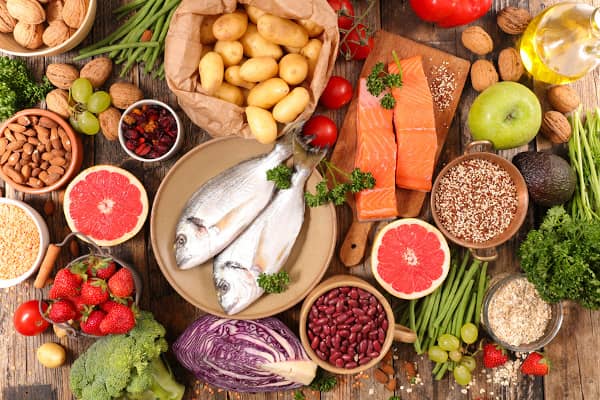
With global life expectancy rising and the population aging accordingly, managing chronic disease has become one of the biggest challenges for public health. Yet a recent systematic review in the scientific literature delivers a hopeful message: the Mediterranean diet isn’t just a powerful tool for preventing disease, it demonstrably improves health-related quality of life (HRQoL).
The study that confirms it. The research thoroughly analyzed 28 scientific studies covering both the general population and patients with various conditions. The overall conclusion is clear: there is a strong association between greater adherence to the Mediterranean diet and improved well-being across multiple dimensions.
Among the benefits observed, improvements in physical performance and reduced mobility limitations stand out in particular, two key factors for maintaining independence and quality of life as we age.
Much more than heart protection. For decades, the Mediterranean diet has been recognized for its ability to lower the risk of cardiovascular disease and certain cancers. But the most recent scientific evidence shows its benefits go far beyond that.
According to the analysis, this eating pattern also has positive effects on age-related conditions, including neurodegenerative disorders, musculoskeletal problems, and metabolic diseases.
Even patients with chronic conditions such as multiple sclerosis, type 2 diabetes or breast cancer report improvements in vitality, physical and mental function, and lower perceived bodily pain when following this nutritional pattern.
The biology behind its benefits. The power of the Mediterranean diet lies in its potent antioxidant and anti-inflammatory mechanisms. Its high content of fruits, vegetables, whole grains, olive oil, fish and nuts provides large amounts of polyphenols and omega-3 fatty acids.
These nutrients help fight oxidative stress at the cellular level, a process closely linked to aging and cognitive decline. What’s more, its richness in fiber and healthy fats acts as a genuine “fertilizer” for the gut microbiome, fostering a diverse, healthy microbiota that helps regulate the immune system.
A lifestyle, not just a diet. The researchers stress that the Mediterranean diet should be understood as a complete way of life. Beyond the specific foods, it includes social and cultural practices that also influence health.
These include sharing meals with family or friends, prioritizing local and seasonal food, and practicing mindful eating. These social dynamics foster emotional well-being and have been linked to lower rates of depression and greater life satisfaction.
The challenge of bringing this model to the rest of the world. Despite its clear advantages, transferring this eating pattern to countries outside the Mediterranean region presents cultural and logistical challenges. Local culinary traditions, the dominance of ultra-processed foods, and the cost or availability of ingredients like extra virgin olive oil can make adoption difficult.
That’s why experts propose an adaptation strategy: applying the core principles of the Mediterranean diet, prioritizing vegetables, healthy fats, and reducing red meat, using ingredients native to each region.
A simple strategy for better health. The scientific evidence keeps getting clearer. Following an eating pattern inspired by the Mediterranean lifestyle is emerging as one of the most effective and accessible preventive and therapeutic strategies for improving health and adding quality of life to our years.

